From Salon Protocol to Prestige Retail: How to Simplify a Curl-Care System Without Losing Performance
Translate a professional curl protocol into a focused prestige retail range using texture-relevant testing, clear steps, compatible packaging and margin control.
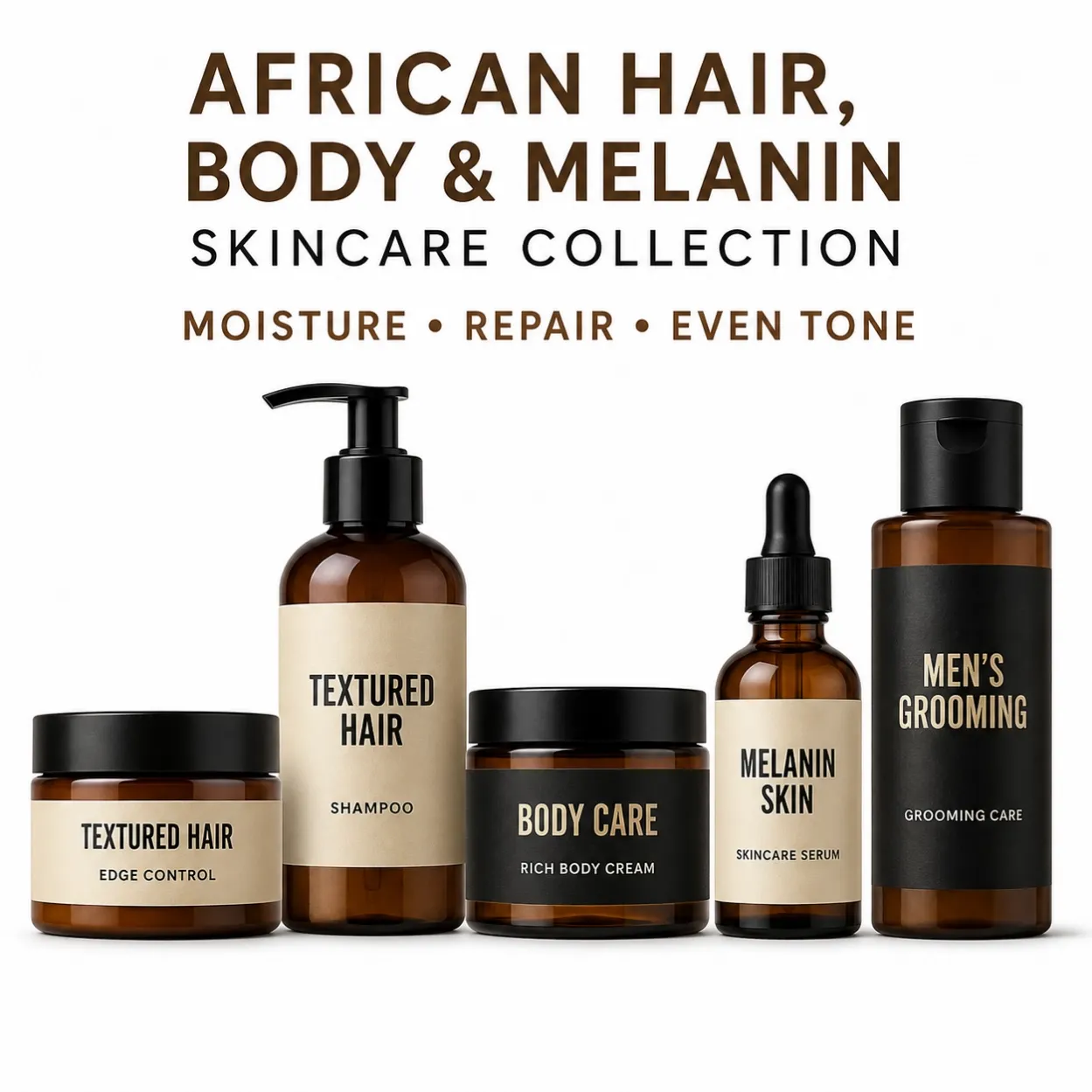
Prestige textured-hair care is expanding through mainstream specialist retail. On September 22, 2026, Cosmetics Business reported Cécred’s move into Space NK across the UK and Ireland, with the range expected in 90 stores. The signal is not that every brand needs a long curl routine. It is that professional credibility must be translated into products a consumer can understand, afford and repeat.
Direct answer
To move a curl-care protocol from salon to retail, identify the three jobs consumers must perform at home—cleanse without excessive stripping, condition and detangle, then define and protect the style. Launch the smallest complete system, validate it across relevant fiber conditions and climates, and make dose and sequence obvious. Preserve performance through formula interaction and education, not by copying every salon step into a separate SKU.
Map the professional protocol
Observe the real salon process from consultation to finish:
- Scalp and buildup assessment.
- Cleanse or clarify.
- Detangle and condition.
- Optional treatment.
- Leave-in moisture and slip.
- Definition or hold.
- Drying and finishing.
Ask which steps create a measurable difference and which depend mainly on professional technique. A 45-minute salon service can use sectioning, water control, brush tension and drying equipment that a consumer will not reproduce.
Choose a minimum viable retail system
Cleanser
Define cleansing strength by soil and routine, not curl label alone. A gentle regular cleanser may suit frequent washing; a clarifier can be an occasional companion for heavy stylers or hard-water exposure. Excessively mild cleansing can allow buildup, while harsh cleansing can increase roughness and tangling.
Conditioner or mask
Wet slip and detangling are central. Test distribution, finger detangling, combing force, rinse feel and residue. A rich sensory profile should not automatically mean high buildup on fine curls.
Styler
Choose the dominant finish: soft definition, humidity resistance, volume, elongation or stronger cast. Trying to maximize every attribute creates confusing claims and compromised texture. A cream-gel or leave-in styler may combine steps if testing shows it works across the target range.
Test by variables that affect performance
Curl pattern is visible and useful for communication, but it is not the only development variable. Include:
- Fine, medium and coarse fiber diameter.
- Low and high apparent porosity.
- Virgin, colored and bleached hair.
- Low, medium and high density.
- Different water quality and humidity.
- Protective-style and frequent-wash routines.
Use salon half-head work, standardized tresses and consumer panels. Document dose, water level, application order and drying method so results can be repeated.
Preserve performance while reducing steps
Combine steps only when the merged formula delivers both jobs. A cleansing conditioner must remove the intended soil while maintaining slip. A leave-in styler must provide moisture and hold without pilling under gel or flaking after drying. Compatibility testing should include the complete routine at realistic and excessive doses.
If a professional treatment is too concentrated, costly or technique-dependent for home use, create a retail maintenance counterpart rather than relabeling it.
Build education into the pack
Use a simple sequence on front, side or carton: Cleanse 1, Condition 2, Style 3. Show dose by hair length and density, not vague “small amount” language. Explain whether hair should be dripping wet, damp or towel-dried and whether the product is raked, scrunched, brushed or glazed over the surface.
QR video can demonstrate technique, but essential directions must remain on the physical product. Retail staff need one-page guidance that describes who each SKU is for and when to recommend clarifying.
Design retail and salon economics together
Retail sizes must reach an acceptable price per use and shelf footprint. Salon backbar needs larger, efficient packs and fast dispensing. Calculate the system’s total basket price; three premium products that must be used together can create a higher barrier than any single SKU suggests.
Consider a discovery kit with enough product for several complete wash days, not one undersized use. Track which step drives initial purchase and which drives repeat sales.
Claims and cultural accuracy
Avoid suggesting that curls are a problem to be controlled or corrected. Describe defined, elongated, voluminous or soft results as consumer choices. Do not imply universal performance across all “textured hair” without representative testing. Be explicit when results depend on technique, climate or layering.
FAQ
Does a curl range need six or more products?
No. A focused cleanser, conditioner and styler can form a complete launch if each product has a clear job and works as a system.
Can one formula work for waves, curls and coils?
It may serve several profiles, but dose, technique and residue tolerance differ. Claims should reflect the tested population.
Should a salon formula be sold unchanged at retail?
Only if concentration, directions, pack and safety suit unsupervised home use. A maintenance version may be more appropriate.
How should a brand test layered products?
Test each product alone and in the recommended sequence at normal and high doses, checking pilling, flaking, tack, residue and next-day appearance.
OEM/ODM Project Planning
Review our product categories, compare OEM/ODM development routes, or contact our project team with your target market, product type, quantity, packaging direction and launch timing.