Copper Peptide Serum OEM: Blue Color, Stability and Longevity Claims
Develop a copper peptide serum by controlling raw-material identity, blue color, pH, compatibility, packaging and cosmetic longevity claims.
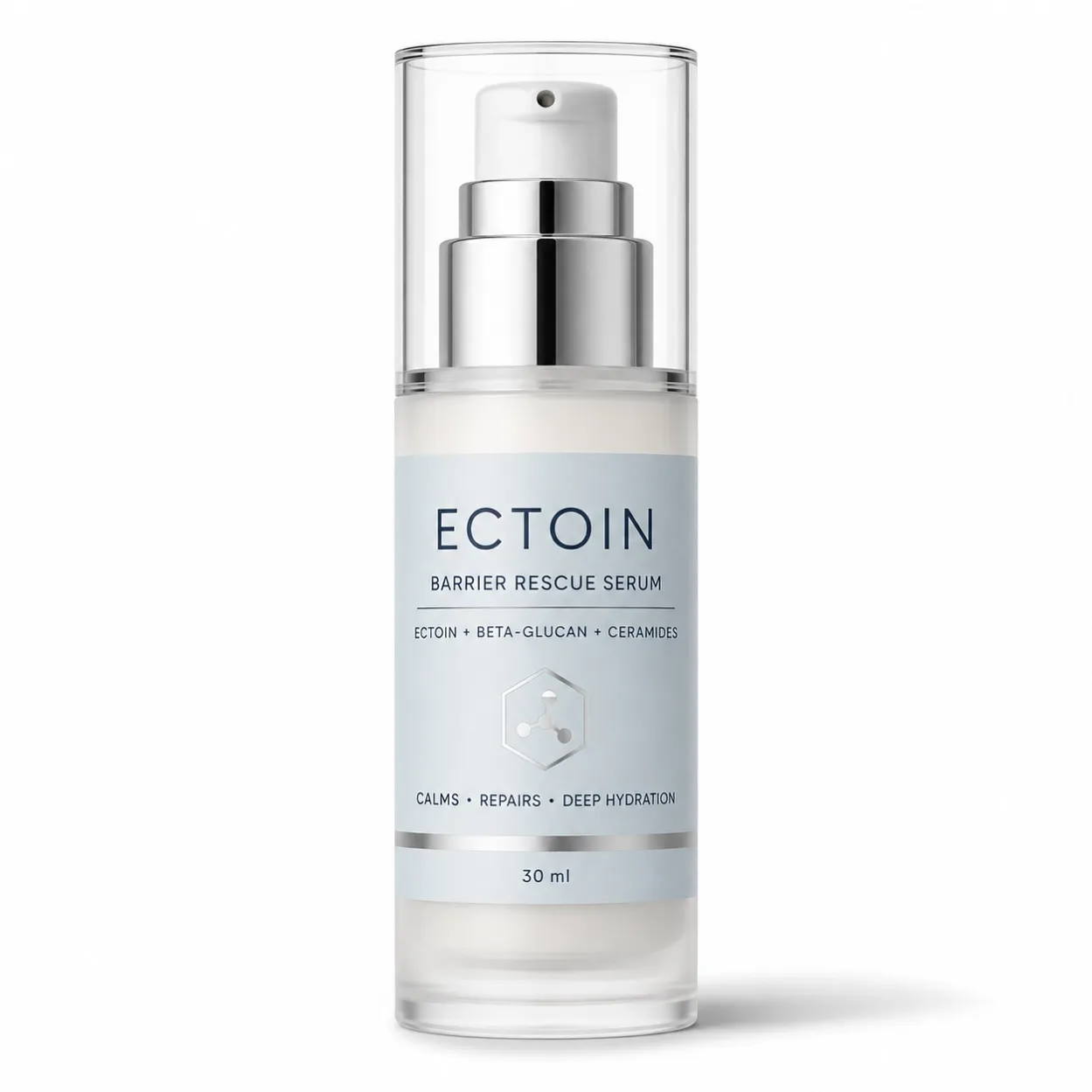
Copper peptides are returning through the 2026 “skin longevity” conversation. Cosmopolitan’s September 2026 fall-skin report connects copper peptides with growing demand for plumping and long-term skin quality, while recent specialist coverage notes the visual appeal of naturally blue GHK-Cu serums. For buyers, the trend comes with a due-diligence problem: vivid color, a high headline percentage or an injectable-peptide comparison can distract from raw-material identity, finished-formula stability and realistic topical claims.
Direct answer
A copper peptide serum typically uses Copper Tripeptide-1, commonly associated with GHK-Cu, in a water-based leave-on formula. The ingredient can support cosmetic positioning around smoother-looking, firmer-feeling or resilient-looking skin, but the exact claim depends on supplier data and finished-product testing. The characteristic blue tone may come from the copper complex, yet color alone does not prove identity, purity or effective concentration.
Start with raw-material documentation
Request:
- Full INCI and carrier composition.
- Assay or active-content specification.
- Certificate of analysis and traceability.
- Recommended use level and pH range.
- Solubility, processing and temperature guidance.
- Safety and regulatory status for target markets.
- Data that clearly distinguishes ingredient studies from finished-product results.
Suppliers may describe percentage in different ways: pure peptide, solution as supplied, or a complex blend. A “1% copper peptide serum” can mean very different active content depending on the raw material.
Formula compatibility
pH
Build within the supplier’s recommended range and monitor pH over time. Extreme conditions may affect peptide stability, color and skin tolerance.
Oxidation and metal interactions
Copper complexes can interact with other materials. Review chelators, reducing agents, strong oxidizers, botanical extracts and packaging components rather than assuming every trending active belongs in the same bottle.
Combining with acids or retinoids
Consumers often ask whether copper peptides can be layered with vitamin C, exfoliating acids or retinoids. A single formula containing all of them creates a much harder stability and tolerance project. A focused serum with clear routine instructions may be commercially stronger than an overloaded “everything” product.
Color control
Set an acceptable color range for release and shelf life. Do not add dye merely to standardize a “copper blue” appearance without transparent labeling and a reason. Monitor fading, browning and batch variation under light and heat.
Texture and package
The serum should spread easily, layer without pilling and avoid a sticky film. Humectants and polymers can support plumping feel, while soothing ingredients may fit a barrier-conscious position. Each addition must be checked for color and peptide compatibility.
Opaque or UV-limiting packaging can help control light exposure. Airless pumps reduce repeated opening, but package claims should follow compatibility testing. Check metal springs or components that contact the formula, actuator discoloration, seal integrity and dose consistency.
Testing plan
Stability
Track color, clarity, odor, pH, viscosity and active markers where a suitable method exists. Include light exposure because the serum’s blue appearance is part of the consumer experience.
Consumer and instrumental efficacy
Depending on claims, assess immediate hydration and plumping, plus longer-term appearance of fine lines, smoothness, elasticity or firmness. Photography must use consistent lighting; blue product color should not bias visual grading.
Tolerance
Conduct appropriate patch and use testing on the intended population. “Gentler than retinol” cannot be assumed from trend commentary; it is a comparative claim requiring evidence.
Routine compatibility
Test layering with the brand’s cleanser, moisturizer and sunscreen. Pilling or blue residue can undermine an otherwise stable formula.
Claims and compliance
Appropriate cosmetic language may include “supports firmer-looking skin,” “helps improve the appearance of fine lines,” “promotes a smoother, more resilient look” or “blue copper peptide serum,” when supported. Avoid “regenerates tissue,” “heals wounds,” “reverses aging,” “replaces injectables” or systemic longevity claims.
Do not borrow evidence from injected peptides for a topical cosmetic. Injectable use involves different exposure, authorization and safety issues. Keeping the article and product focused on topical cosmetics protects buyer credibility.
Launch positioning
Three viable routes are:
- Minimalist blue serum centered on documented Copper Tripeptide-1.
- Barrier-conscious peptide serum with humectants and soothing support.
- Premium multi-peptide serum where every peptide has a defined role and the formula remains stable.
The minimalist route is often easiest to explain, test and manufacture. A complex active stack may support a higher price only if compatibility and efficacy remain clear.
FAQ
Is GHK-Cu the same as Copper Tripeptide-1?
Copper Tripeptide-1 is the common cosmetic INCI associated with the GHK-Cu complex, but buyers should verify the supplier’s exact composition and assay.
Does a darker blue serum contain more copper peptide?
Not necessarily. Color can vary with concentration, carrier, pH, other ingredients and added colorants. Documentation and analytical specifications matter more.
Can it be combined with vitamin C or retinol?
Possibly, but compatibility and stability must be tested in the exact formula. Separate products and routine guidance may be more robust.
Can the serum claim collagen production?
Direct biological claims can create regulatory and evidence challenges. Finished-product cosmetic claims around the appearance of firmness or fine lines are generally more appropriate when tested.
OEM/ODM Project Planning
Review our product categories, compare OEM/ODM development routes, or contact our project team.