Urea Body Cream OEM: Choosing 5%, 10% or a Targeted Higher Level
Choose a urea level for body cream by balancing hydration, rough-skin smoothing, pH, stability, sensory and cosmetic claim boundaries.
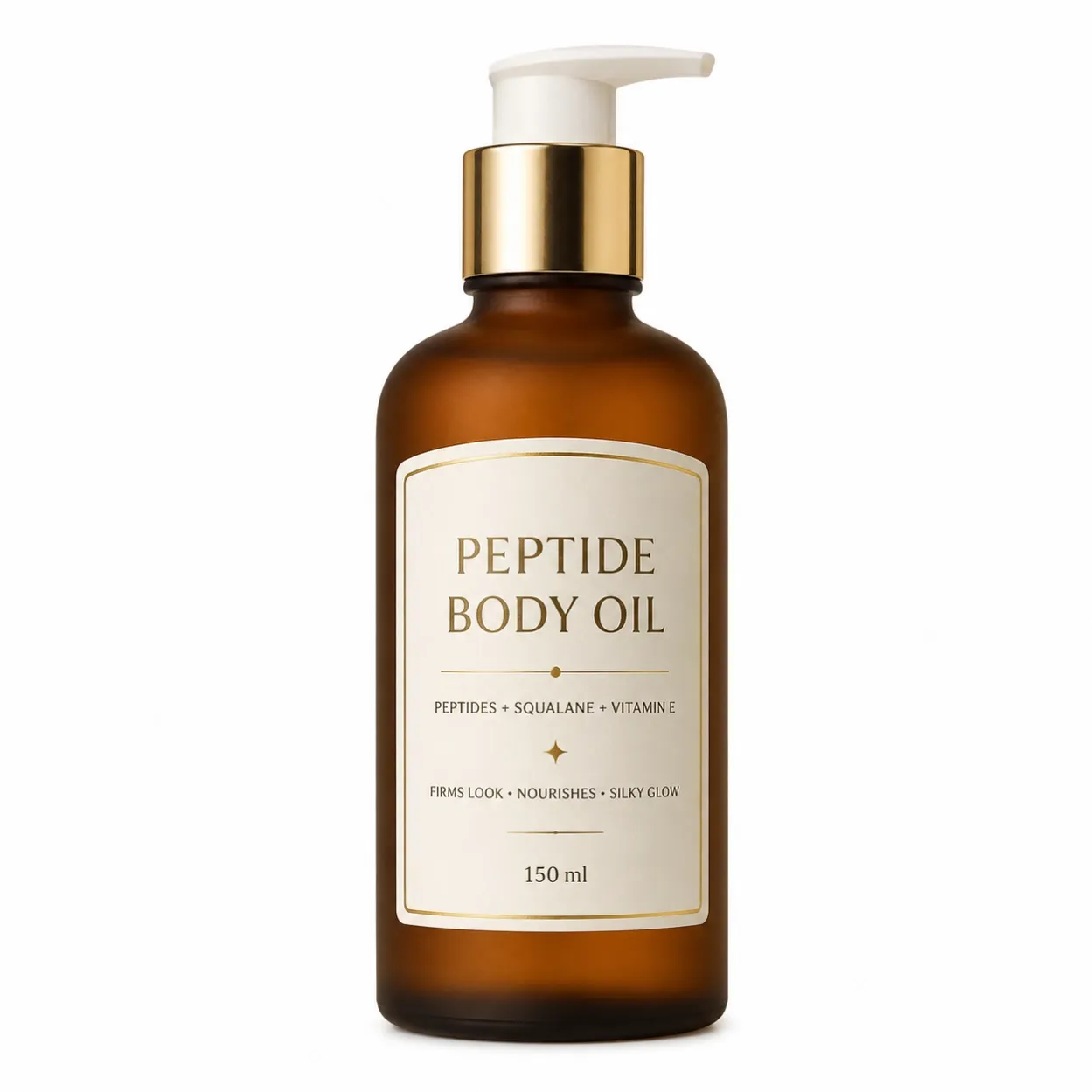
Urea is moving from pharmacy-coded foot care into modern body moisturizers. Allure’s September 4, 2026 guide distinguishes lower levels used mainly for hydration from higher levels that also loosen rough surface scale. For OEM buyers, the percentage is not a marketing decoration: it changes the product job, skin feel, stability challenge, target area and claims.
Direct answer
Around 2%–5% urea is generally used for hydration and daily body comfort; roughly 10% can provide hydration plus more noticeable smoothing of rough, flaky skin. Higher levels are better treated as targeted formulas for thick, localized areas and may increase sting, odor and regulatory complexity. The best percentage depends on the intended user, body area, frequency and evidence—not on choosing the biggest number.
Match percentage to product job
5% daily body lotion
Suitable for broad daily use where the consumer wants a light, comfortable moisturizer. Pair with glycerin, betaine, panthenol, ceramide concepts or emollients according to the sensory target.
10% rough-skin cream or lotion
Stronger smoothing positioning for elbows, knees, arms, legs and rough texture. A light serum-lotion can modernize the category, while a richer cream suits very dry climates.
Higher targeted treatment
Concentrations above the everyday body range may be designed for heels or very thick skin. This needs narrower directions, greater tolerance work and market-specific compliance. Do not use a high percentage merely to win an online comparison.
Formulation challenges
Stability and crystallization
Urea is highly water soluble, but concentration, water activity, temperature and evaporation can contribute to crystallization or texture change. Monitor hot and cold storage, freeze-thaw where relevant and long-term package weight loss.
pH and degradation
Urea stability is sensitive to formula conditions. Poor control can contribute to odor and pH drift. Establish a suitable pH range, buffer strategy and manufacturing sequence, then monitor throughout shelf-life.
Sensory balance
High humectant load can feel tacky. Emollients, polymers and powdery sensory modifiers can improve rub-in and afterfeel, but should not create pilling or a waxy film. Consumer panels should test clothing contact and hot-weather use.
Fragrance
Fragrance may cover raw-material odor but can increase sting or conflict with sensitive-skin positioning. A low-fragrance or fragrance-free option can be more credible for rough, compromised-feeling skin.
Testing plan
Hydration
Use corneometry or another validated method at suitable time points. If claiming 24- or 48-hour moisturization, design the protocol for that duration rather than extrapolating from immediate feel.
Roughness and scaling
Use expert grading, standardized photography or instrumental texture methods on the target body area. Separate hydration from visible smoothing.
Tolerance
Test on the intended users and application areas. Urea may sting on freshly shaved, cracked or irritated skin, so directions and exclusions matter.
Package and stability
Check pH, odor, viscosity, crystallization, color and fill weight through accelerated and real-time conditions. Pumps need adequate orifice and priming for the chosen viscosity.
Claim boundaries
Defensible cosmetic claims may include “hydrates dry body skin,” “helps smooth rough, flaky texture,” “softens elbows and knees,” and “with 10% urea,” provided testing and labeling support them. Be cautious with “treats keratosis pilaris,” “heals cracked skin,” “repairs eczema” or “medical grade.” Those statements can create drug or therapeutic implications.
Ingredient education can explain that urea is part of the skin’s natural moisturizing factor. Avoid suggesting the finished product is identical to the skin’s own system or universally suitable for broken skin.
Package and portfolio choices
A daily 5% lotion in a pump can serve the broad body-care range. A 10% cream in a tube gives a more targeted, controlled dose. A higher heel balm may belong in a specialist foot-care subline rather than the same fragrance-led body collection.
For a first launch, one clearly positioned 10% body lotion often communicates more effectively than three close percentages. Add variants only when target users and claim differences justify separate inventory.
FAQ
Is more urea always more effective?
No. Higher levels change the job from everyday hydration toward stronger smoothing and may increase sting or formulation difficulty.
Is 10% urea suitable for daily use?
It can be for many consumers when the finished product is well tolerated, but directions should account for freshly shaved, irritated or cracked skin.
Can urea be combined with acids or retinoids?
Technically possible combinations require careful stability and tolerance work. Stacking exfoliating systems may be inappropriate for a daily broad-use formula.
Does urea smell?
A stable formula should be acceptable, but raw-material quality, pH, heat and degradation can affect odor. Stability monitoring is essential.
OEM/ODM Project Planning
Review our product categories, compare OEM/ODM development routes, or contact our project team.