Shower Oil OEM: Cleansing, Emulsification and Slip-Safety Decisions
Source a shower oil by specifying cleansing level, milk-rinse behavior, residue, bath-surface slip, packaging and moisturizing claims.
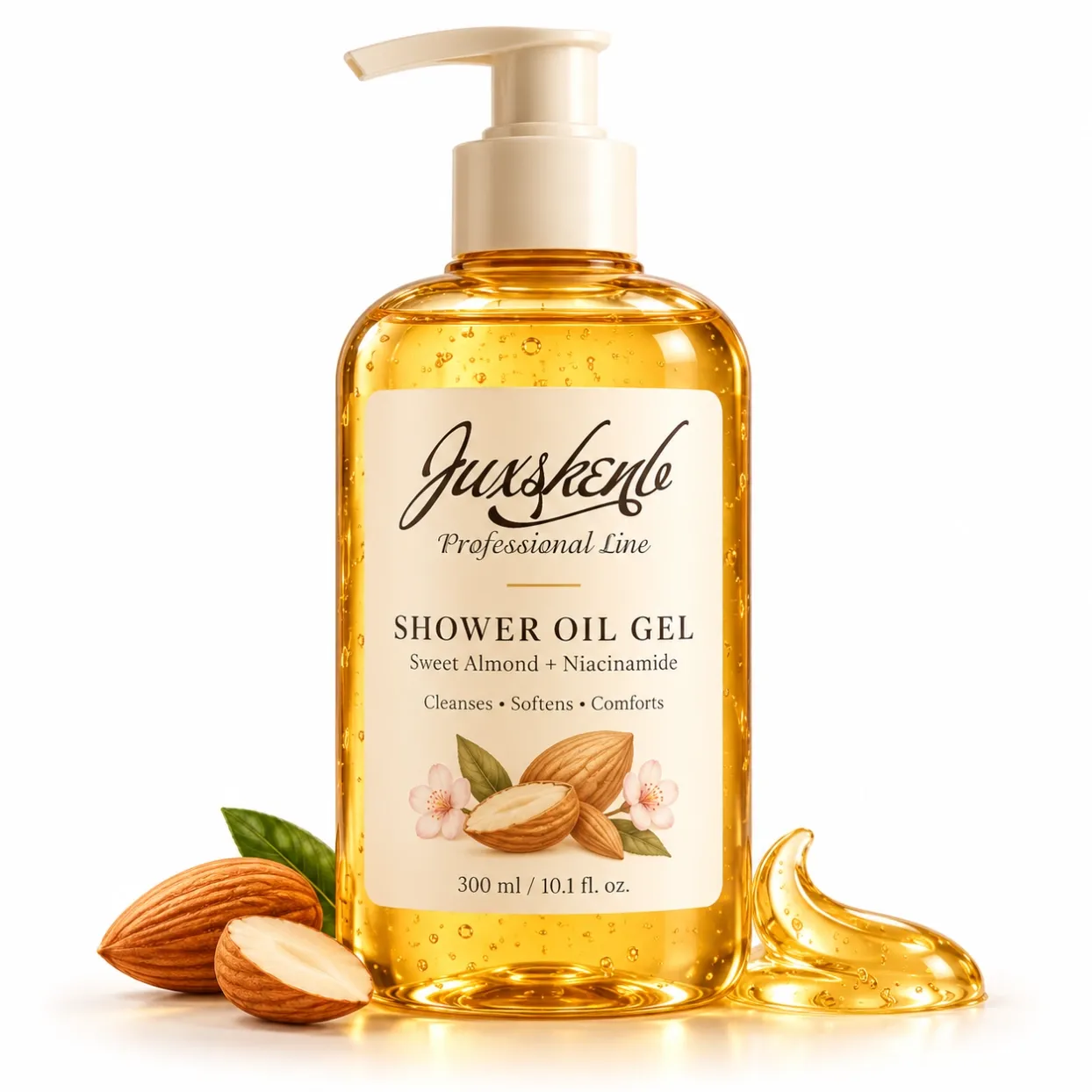
Shower oils are receiving renewed attention as consumers combine cleansing and comfort in the “everything shower.” NBC Select published a dermatologist-informed shower-oil guide in September 2026, and current body-care reporting continues to favor oils, milks and serum-like textures. For OEM buyers, the critical distinction is whether the product truly cleanses, simply conditions in the shower or is a post-shower oil marketed with confusing language.
Direct answer
A cleansing shower oil contains surfactants or emulsifiers that allow oil, skin soil and water to mix and rinse away, often turning milky on contact with water. A good formula cleans to the intended level, leaves a comfortable afterfeel and does not create excessive residue on the body or shower floor. Buyers should specify foam expectation, emulsification, rinse, slip safety and pack compatibility before selecting a stock base.
Three formats that buyers often confuse
Foaming shower oil
Uses a surfactant system that can create light to moderate foam. It feels familiar to body-wash users and is easier to communicate as a cleanser.
Milk-rinse cleansing oil
Begins as an oil and emulsifies into a milky dispersion under water. Foam may be minimal, so the consumer needs clear usage guidance and proof of cleansing.
In-shower conditioning oil
Applied after cleansing and lightly rinsed, primarily to leave emollience. This is not automatically a cleanser and may create more surface residue.
The chosen identity affects formula, claims, directions and category placement.
Formula architecture
Oil phase
Esters, triglycerides, mineral oil alternatives, squalane and selected botanical oils create different glide, richness and oxidation profiles. A premium botanical story should not compromise odor stability or rinse.
Surfactants and emulsifiers
The system must disperse the oil when water is added. Too little emulsification leaves grease; too much can erase the nourishing sensory or increase irritation potential. “Sulfate free” is only one detail—the whole cleansing system determines mildness.
Fragrance and oxidation
Warm shower use amplifies fragrance. Test the intended dose in a small humid space, not just on a blotter. Oxidation-prone oils require antioxidant strategy, light and heat evaluation and suitable packaging.
Slip safety is not optional
Any oil-containing rinse-off product can affect tub or shower traction. Evaluate residue on common surfaces such as ceramic, acrylic and textured shower trays after realistic dosing and rinsing. Directions can state “rinse shower floor after use” and “use caution, surface may become slippery,” but warnings do not replace formulation work.
The formula should also avoid an uncontrollably slippery bottle. Ribbed sides, a pump lock and stable wet-hand grip can improve use.
Testing plan
Cleansing and rinse
Use standardized soil-removal or consumer protocols. Measure perceived cleanliness, oil removal, residue and comfort against a cream wash and a conventional gel.
Instrumental or expert moisturization
Corneometry or validated skin-hydration methods can support moisturization claims. A comfortable afterfeel alone does not prove long-duration hydration.
Surface residue
Create a controlled bath-surface method, including dose, water hardness, rinse volume and repeat cycles. Document visible film and traction-related risk.
Package compatibility
Oils can swell seals, soften labels and migrate through some plastics. Check pumps, liners, decoration, leakage and fragrance loss throughout stability.
Claim choices
Potential claims include “cleanses while leaving skin feeling soft,” “transforms from oil to milk,” “low-foam cleansing oil” and “helps support comfortable-feeling skin after showering.” Claims such as “restores the skin barrier,” “eczema safe,” “non-slip” or “24-hour moisturization” require appropriate evidence and careful regulatory review.
Commercial decisions
A 200–300 ml pump supports daily family use; a 100 ml prestige bottle supports fragrance and travel but needs a controlled dose. Transparent packaging showcases the oil but may increase light exposure. Refill concepts need oxidation, contamination and leak assessment rather than a sustainability statement alone.
Choose fragrance strategy early. A fragrance-free shower oil can target dry or sensitive-feeling skin, while a scent-led version can anchor a layered body-care collection.
FAQ
Does shower oil clean as well as body wash?
It can, if it contains an effective cleansing system. Foam level alone does not measure cleansing, so comparative testing is useful.
Will it leave the shower slippery?
Any oil cleanser can leave some residue. Formulation, dose, water conditions and rinsing determine the level; surface testing and clear directions are essential.
Is it suitable for sensitive skin?
That depends on the full formula, fragrance and test results. “Oil based” does not automatically mean non-irritating.
Can it replace body lotion?
It may reduce tight or dry feel, but a rinse-off product usually cannot promise the same occlusion or duration as a leave-on lotion without evidence.
OEM/ODM Project Planning
Review our product categories, compare OEM/ODM development routes, or contact our project team.