High-Slip Detangling Conditioner OEM for Curly and Coily Hair
Source a high-slip conditioner for curls and coils using wet-combing tests, section-time panels, deposition control and accurate breakage claims.
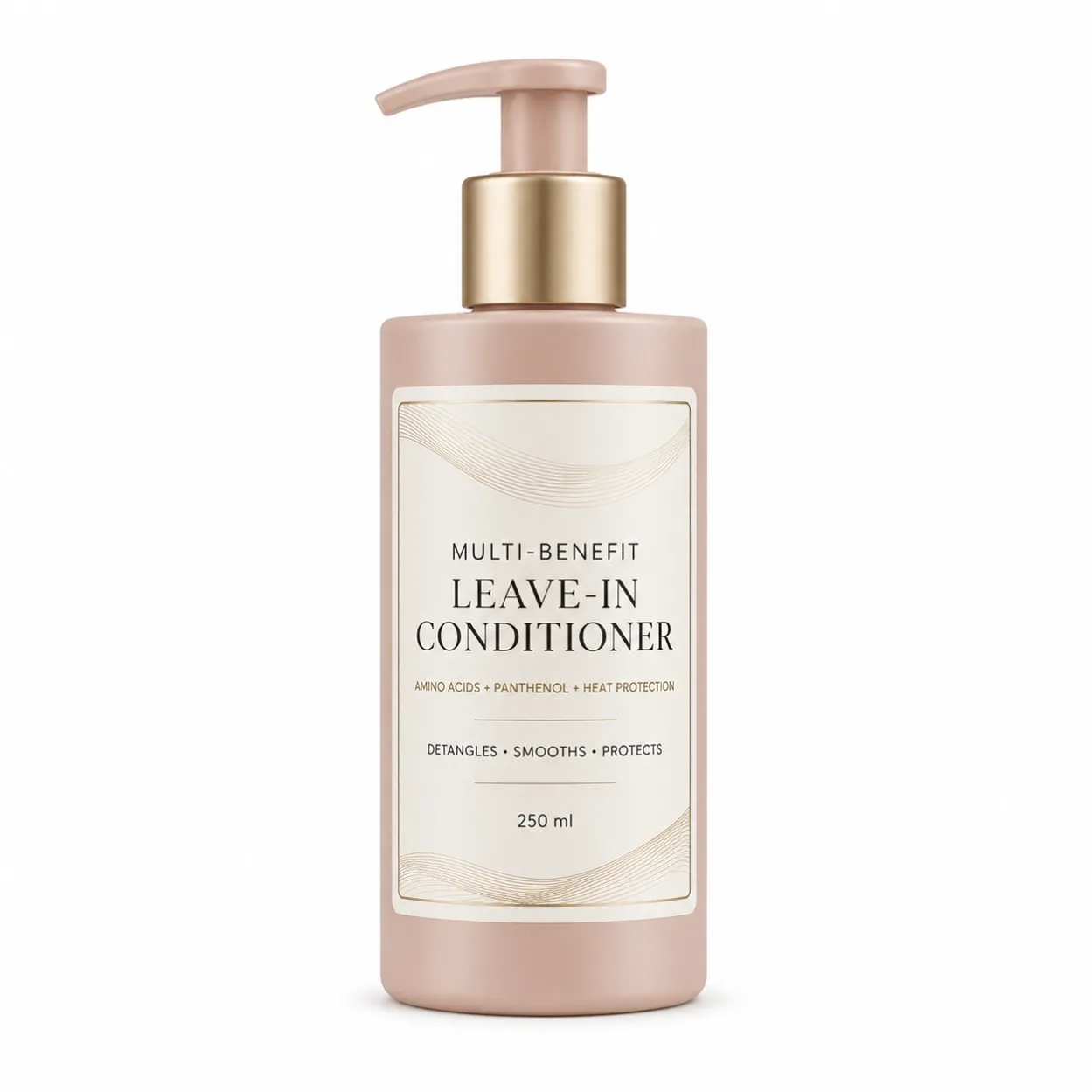
Detangling is a measurable performance job, not just a sensory adjective. Glamour’s July 2026 guide and updated September professional education emphasize sectioning, wet saturation and low-force tools for curly and coily hair. For an OEM buyer, the product opportunity is a conditioner that reduces grooming resistance across the full wash-day process—without flattening curls or relying on an instant silicone feel that becomes buildup after repeated use.
Direct answer
A high-slip detangling conditioner should reduce the force and time required to separate wet curls, help a wide-tooth comb move from ends upward and leave enough lubrication through rinsing. It should be evaluated on the target curl pattern, density, damage and styling routine. The strongest commercial brief combines instrumented wet-combing data with consumer measures such as section time, snag count, breakage perception and curl feel after drying.
Why curl pattern is not enough
Two consumers with 4C hair may need different products. Define:
- Fine, medium or coarse fiber diameter.
- Low, medium or high density.
- Virgin, colored, relaxed or heat-damaged condition.
- Low or high porosity behavior.
- Detangling in shower, at sink or as a pre-wash step.
- Final style: wash-and-go, twist-out, braids or blow-dry.
A heavy butter-rich formula may help coarse, high-porosity hair but overwhelm fine, dense curls. Development needs more than a curl number.
Formula architecture for slip
Cationic conditioning
Cationic surfactants adsorb to negatively charged, damaged areas and reduce friction. The type and level affect slip, rinse and deposition. A strong immediate glide is valuable, but excessive buildup can make hair feel dull or reduce volume.
Fatty alcohols and structure
Fatty alcohols build the cream network and support cushion during sectioning. The conditioner should distribute through soaking-wet hair without dropping off immediately or becoming waxy.
Emollients and polymers
Silicones, silicone alternatives, esters, oils and conditioning polymers can improve combing. The choice should reflect the brand’s claim position and performance target. “Silicone free” does not guarantee better curl care; the alternative system still needs objective slip.
Protein and strengthening concepts
Hydrolyzed proteins or amino acids may support damaged hair, but a detangler’s first job is lubrication. High protein loading can create a stiff feel for some consumers. Separate the ingredient story from the measurable task.
Testing that buyers should request
Wet-combing force
Use standardized tresses relevant to the claim. Compare untreated, benchmark and prototype samples after controlled dose and rinse. Peak force and work-to-comb can reveal improvements that a salon feel test misses.
Section-time panel
Have trained users or consumers detangle a defined amount of hair with the same tool and method. Record total time, major snags, product added and shed or broken fibers.
Rinse persistence
Some formulas feel slippery only before water hits them. Evaluate combing during application, partial rinse and full rinse.
Repeated-use and styling compatibility
Test whether several wash cycles create buildup, reduce curl definition or conflict with gels and creams. Observe flaking when the conditioner is deliberately or accidentally left in.
Directions are part of performance
Useful directions may state: saturate hair, divide into sections, apply from ends upward, finger-detangle large knots, then use a wide-tooth comb. Allow enough contact time for distribution. “Comb from root to tip” encourages force at the most tangled point and can undermine a good formula.
Claims and evidence
Claims may include “provides high slip for curl detangling,” “reduces wet-combing force” or “helps reduce breakage during combing” if tests support them. Avoid “stops hair loss,” “repairs knots” or “guarantees zero breakage.” Shed hair, broken hair and medical hair loss are different phenomena.
Commercial range decisions
A brand can launch one hero rinse-out conditioner or a two-SKU system:
- Lightweight slip conditioner for waves, curls and fine coils.
- Rich detangling mask for coarse, dense or high-porosity hair.
If MOQ makes two SKUs unrealistic, select the largest target segment and communicate exclusions clearly. A focused product generally performs better than a universal claim.
FAQ
What does “slip” mean in conditioner?
It describes how easily fingers or a tool move through lubricated hair with less resistance and snagging.
Should curly hair be detangled wet or dry?
Many curly and coily routines detangle on wet, conditioner-saturated hair. The label should reflect the method used in testing.
Is silicone necessary?
No, but any alternative must still deliver the required friction reduction, rinse profile and styling compatibility.
Can the product claim less breakage?
Yes when a controlled combing or breakage method supports the claim. Do not convert a grooming result into a hair-growth claim.
OEM/ODM Project Planning
Review our product categories, compare OEM/ODM development routes, or contact our project team.