Hair Serum Claims Due Diligence: Ingredient Study vs Finished-Formula Evidence
Audit hair and scalp serum evidence by separating supplier ingredient studies from finished-formula, tress, instrumental and consumer testing.
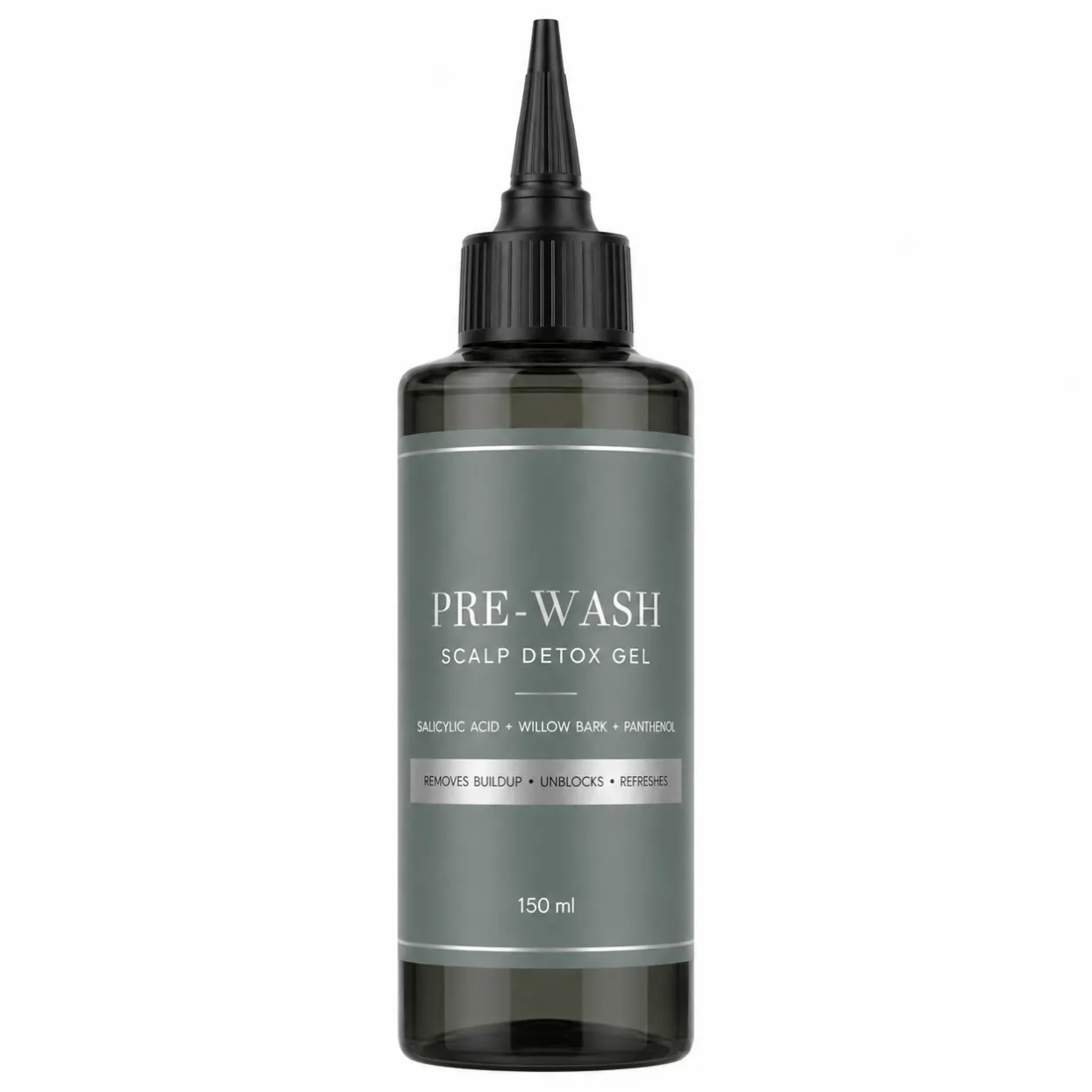
Hair serums are one of the strongest prestige hair-care signals of 2026. Beauty Independent reported on September 22 that U.S. prestige hair-serum sales rose nearly 60% in the first half of the year, citing Circana. Capital is also moving into “hair longevity” and scalp-focused brands. As the category grows, OEM buyers need a disciplined way to separate an attractive ingredient dossier from evidence for the finished product they will sell.
Direct answer
An ingredient study supports what a raw material may do under its tested conditions; it does not automatically prove that the finished serum delivers the same result. Before approving a claim, check the test article, ingredient concentration, complete formula, dose, population, control, duration and endpoint. Appearance and conditioning claims may be supported by tress, instrumental or consumer studies. “Regrows hair,” treats alopecia or alters a biological condition may be a drug claim depending on the market and should not be inferred from cosmetic ingredient literature.
Use an evidence ladder
Supplier dossier and mechanism
Raw-material suppliers may provide in-vitro, ex-vivo, instrumental or human data. These can explain a plausible mechanism and help choose an ingredient. Record the exact material grade, tested concentration and vehicle. If the commercial formula uses a lower level, different delivery system or different grade, the study’s relevance decreases.
Finished-formula laboratory and tress tests
For hair-fiber benefits, standardized tresses can compare combing force, breakage during grooming, tensile behavior, frizz, shine or thermal damage under controlled conditions. A scalp serum may also be evaluated for residue, drying time, sebum appearance or hydration with appropriate methods.
Instrumental human testing
Corneometry, sebum measurements, standardized photography or hair-count methods can strengthen specific claims when the method, site and protocol fit the intended benefit. Instrument readings need predefined endpoints and trained analysis; a device screenshot by itself is not a substantiation file.
Consumer-perception study
A well-designed panel can support statements such as “participants said the scalp felt refreshed” or “hair looked fuller.” Record sample size, population, use instructions, duration and exact questionnaire. Do not convert subjective perception into an objective biological claim.
Controlled clinical study
A controlled finished-product study may be appropriate for higher-value claims, but “clinically tested” only means a clinical protocol was used. Buyers still need to review the control, investigator, statistics, endpoints and relevance to the commercial formula.
Eight questions for every study
- Was the tested article the raw ingredient, a prototype or the final formula?
- Was the ingredient used at the same concentration and grade?
- Who was tested, and do they match the target customer?
- What was the application dose and frequency?
- How long did the study run?
- Was there a control, baseline or comparator?
- What endpoint was measured, and was it predefined?
- Does the proposed marketing sentence accurately match the result?
If any answer is missing, label the gap instead of filling it with marketing language.
Map evidence to claim level
Lower-risk cosmetic territory
- Leaves the scalp feeling refreshed or moisturized.
- Helps hair look fuller or more voluminous.
- Reduces the appearance of breakage-related thinning.
- Improves manageability or shine.
These still need truthful support, but they describe cosmetic appearance or feel.
Claims requiring stronger scrutiny
- Reduces measured hair breakage by a stated percentage.
- Improves scalp hydration for a stated duration.
- Increases the appearance of density after a defined use period.
The number, duration and population must match the test.
High-risk or drug-like territory
- Regrows hair.
- Treats alopecia.
- Reactivates dormant follicles.
- Prevents or cures a scalp disease.
Do not use cosmetic evidence to imply these outcomes. Regulatory classification varies by country, so local review is essential.
Audit influencer and retailer copy too
Claims often expand after the OEM file is approved. A creator may say “growth serum” even when the label says “fuller-looking hair.” Retail bullets, Amazon content, TikTok scripts and before/after images should use the same claims matrix. Give partners permitted wording, prohibited wording and context for any measured result.
Build a claim-substantiation folder
Maintain the final formula specification, ingredient dossiers, complete reports, statistical output where relevant, questionnaires, consent and image protocol, artwork, product directions and approved claim table. Version-control the file so a later formula, fragrance or pack change triggers a review.
FAQ
Can a brand use the active supplier’s clinical percentage?
Only if the commercial formula, dose, concentration, population and use conditions justify the connection and the claim wording remains accurate. Otherwise, cite it as ingredient research, not finished-product proof.
Does “dermatologist tested” prove efficacy?
No. It describes participation by a dermatologist or a test context; the protocol and result determine what it supports.
Are before-and-after photos enough?
Not alone. Lighting, styling, angle, wash state and image selection can distort results. Use a standardized protocol and supporting measurements.
When should the finished formula be tested?
When the claim depends on the complete product, particularly for quantitative, duration-based or visible density results.
OEM/ODM Project Planning
Review our product categories, compare OEM/ODM development routes, or contact our project team with your target market, product type, quantity, packaging direction and launch timing. Formula, packaging, MOQ, testing and documentation are confirmed for each project.