Body Moisturization Claims OEM: What 2-Hour, 24-Hour and Consumer Tests Actually Prove
Match body lotion, cream and shower-oil claims to corneometry, TEWL, expert grading and consumer testing without overstating hydration duration.
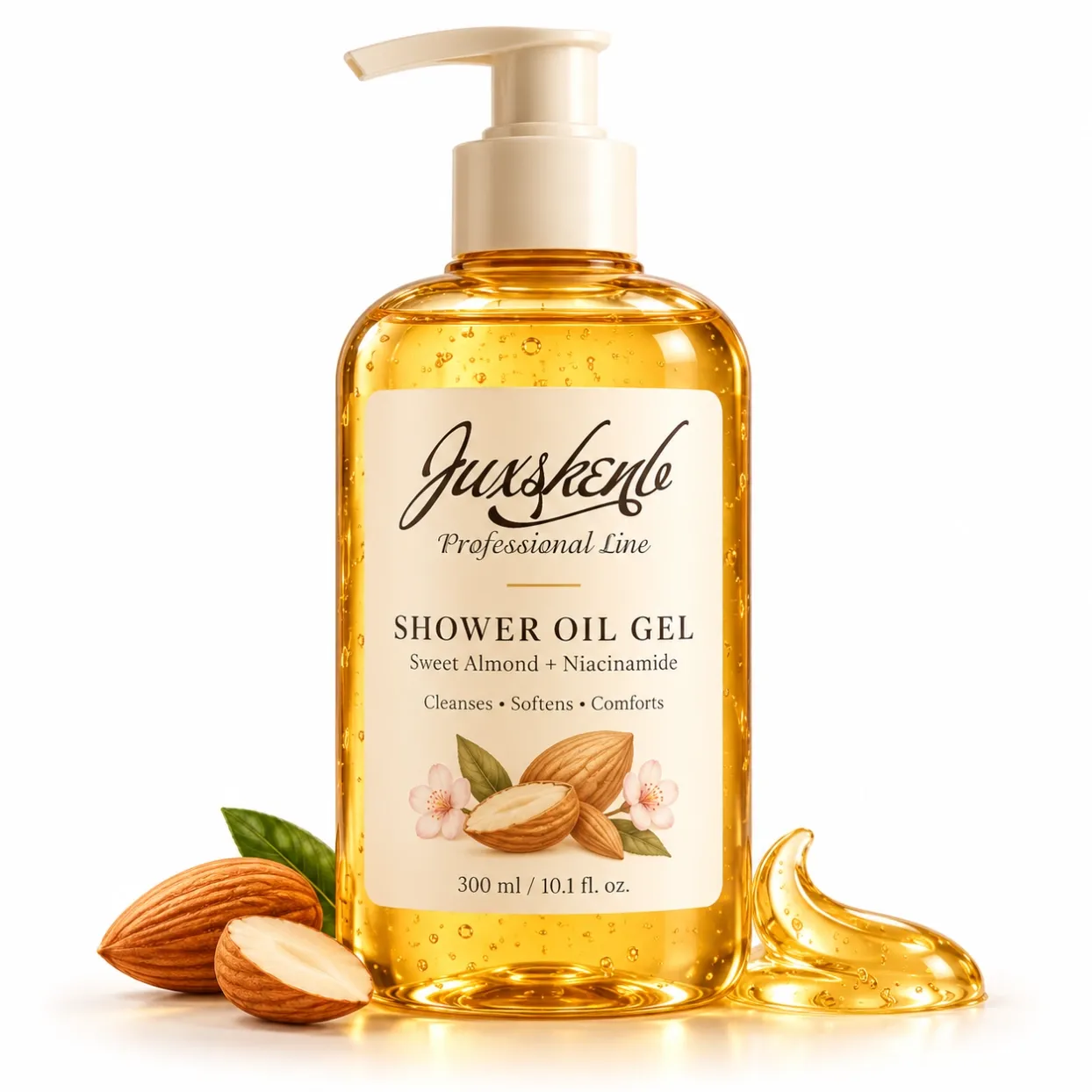
Body cleansing is borrowing the language and textures of facial care. NBC Select’s September 20 update to its shower-oil coverage reflects a broad retail assortment across Amazon, Target and Ulta. But “moisturizing,” “supports the skin barrier” and “24-hour hydration” are not interchangeable. OEM buyers need to select a protocol that matches the product format and final marketing sentence.
Direct answer
A short-term corneometry study can show a change in stratum-corneum hydration at specified timepoints. A 24-hour claim needs an appropriate finished-product protocol and a statistically supported result at 24 hours under defined conditions. TEWL measures water loss and may support barrier-related interpretation, but it does not by itself prove barrier repair. Consumer panels support perceived softness, comfort and absorption. Rinse-off shower oils and leave-on lotions require different study designs.
Define the exact claim first
Compare these statements:
- “Leaves skin feeling moisturized after showering.”
- “Increases measured skin hydration two hours after one use.”
- “Provides 24-hour moisturization.”
- “Helps support the skin barrier with continued use.”
- “Reduces the appearance of dry, flaky skin.”
Each needs different evidence. Testing first and writing the strongest-sounding claim later invites mismatch.
Understand the core methods
Corneometry
A corneometer estimates hydration-related electrical properties at the skin surface. It is widely used for moisturization studies. Results depend on site, acclimation, environment, baseline, application amount and timing. A significant group average does not mean every participant had the same response.
Transepidermal water loss
TEWL estimates water vapor flux from the skin. It can help evaluate barrier function, but readings are sensitive to temperature, humidity, airflow and protocol. A decrease may support a carefully worded barrier claim; “repairs the barrier” needs a broader rationale and suitable study.
Expert grading and imaging
Trained grading or standardized images can assess visible dryness, flaking, scaling or roughness. Control lighting, camera distance, body site and product residue. Avoid choosing only favorable images.
Consumer perception
Questionnaires capture softness, comfort, greasiness, absorption, scent and willingness to reuse. They are essential for commercial success but should be reported as perception, not instrumental fact.
What duration claims mean
Immediate and 2-hour testing
These timepoints can demonstrate a rapid hydration response or post-rinse comfort. They are useful for screening prototypes and supporting immediate-benefit copy. They do not prove all-day moisturization.
8- or 12-hour testing
Intermediate measurements can show whether the effect persists through part of the day. The protocol should control reapplication, bathing and use of other products.
24-hour testing
The final 24-hour timepoint must remain supported versus baseline or control according to the predetermined analysis. If only some metrics are positive, the claim should reflect them. Do not extrapolate a two-hour improvement into “24-hour hydration.”
Repeated-use testing
A one- to four-week protocol can assess cumulative changes in hydration, TEWL, visible dryness or comfort. It is more relevant to barrier-support stories but must account for wash routines and other body products.
Rinse-off versus leave-on design
A shower oil has brief contact, dilution and rinsing. Standardize water temperature, wash time, dose, body site and whether participants use a wash tool. Measure after rinsing and drying. The claim may be “leaves skin feeling soft and comfortable” unless objective data support more.
A body lotion or cream remains on the skin, so application amount and no-wash periods can be controlled more directly. An in-shower lotion, body serum mist or balm needs its own realistic-use protocol.
Choose controls that answer the business question
Possible comparisons include untreated skin, baseline, vehicle, current formula, market benchmark or a different dose. A benchmark can show competitive performance, while a vehicle control can help understand active contribution. The protocol should answer the intended claim and product decision.
Formula variables behind the result
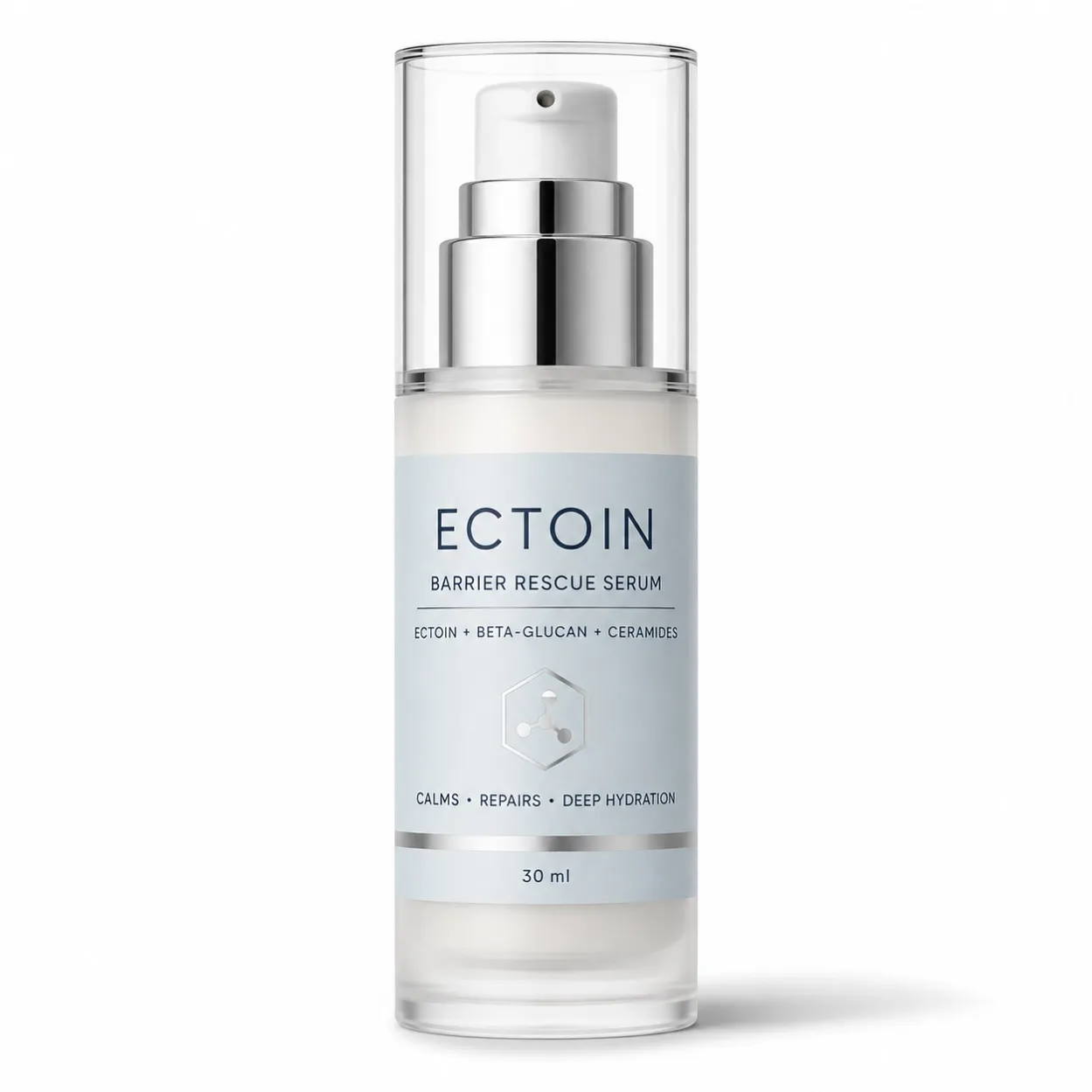
Humectants such as glycerin can support water binding; emollients improve softness and slip; occlusives can reduce water loss; emulsifier and polymer systems affect film and sensory feel. Ceramides, lipids, urea, ectoin or other ingredients may support a positioning story, but the finished product, dose and routine determine performance.
High instrumental hydration with unacceptable tack or transfer is not a commercial win. Combine efficacy and sensory endpoints.
Write claims from the report
Create a table linking every proposed sentence to study, timepoint, population and result. Keep qualifiers such as “after one use,” “on the tested body site,” “participants agreed” or “when used as directed” where needed. Retailer, influencer and marketplace content should use the same approved wording.
Avoid disease-treatment claims such as treating eczema or healing dermatitis. “Barrier support” should not become “repairs damaged skin” unless the evidence and regulatory context justify it.
FAQ
Does a 24-hour study require 24 hours in a laboratory?
Not necessarily; participants may leave under controlled instructions and return for readings. The protocol must manage washing, other products and environmental variation.
Can consumer feedback support “24-hour hydration”?
It can support “skin felt moisturized for 24 hours” if the questionnaire and result match, but that is different from an instrumentally measured hydration claim.
Is TEWL the same as skin hydration?
No. TEWL assesses water loss; corneometry estimates surface hydration. They answer related but distinct questions.
Should a shower oil use the same protocol as a lotion?
No. Rinse-off contact, water, dose and drying must be standardized for the real shower-oil routine.
OEM/ODM Project Planning
Review our product categories, compare OEM/ODM development routes, or contact our project team with your target market, product type, quantity, packaging direction and launch timing.