Sep 14, 2026Buying Guides
Sulfate-Free Salon Shampoo OEM: Viscosity, Foam and Pump Testing for 2026
A 2026 OEM guide to sulfate-free salon shampoo development, covering cleansing feel, viscosity, foam, pump compatibility, stability, claims and MOQ.
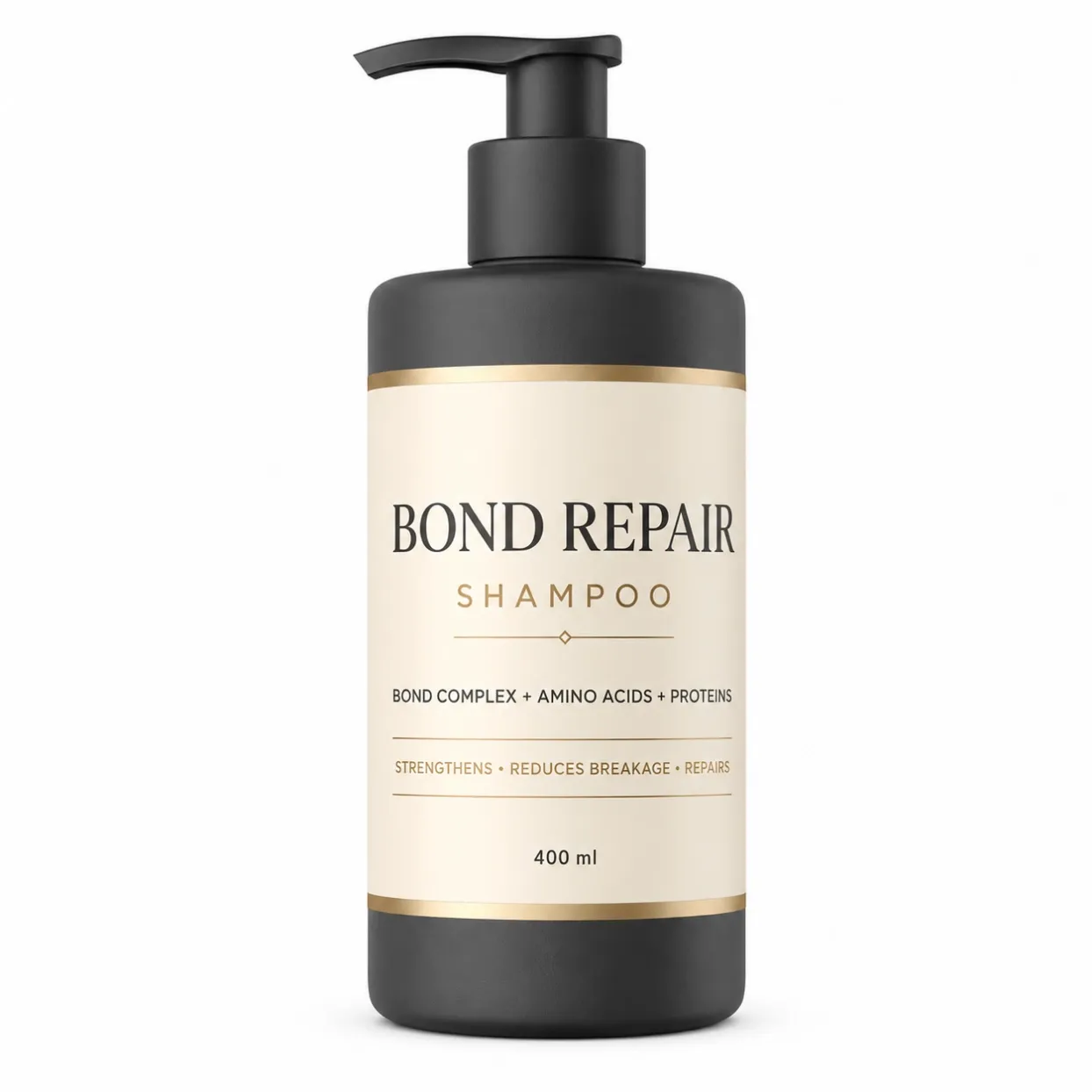
Sulfate-free shampoo remains a familiar request from salon brands, curl-care buyers and color-care distributors. The challenge is not simply removing one ingredient group. The formula still needs acceptable foam, rinse, viscosity, stability and packaging performance. A strong OEM brief describes the complete cleansing experience instead of using “sulfate-free” as the only specification.
Why Sulfate-Free Shampoo Still Needs Technical Discipline
Different surfactant combinations respond differently to salt, fragrance, botanical extracts and conditioning polymers. A change that improves viscosity can reduce foam or alter rinse feel. A formula that looks stable in a beaker may pump poorly from a 1000ml salon bottle. Buyers should therefore approve performance targets and packaging together, then repeat checks after fragrance and color are finalized.
Define the Cleansing Experience
State the hair type, soil level, service context and desired after-feel. A daily shampoo for fine hair may prioritize clean rinse and light conditioning. A bond-care or color-care shampoo may need a softer feel and lower friction. A curl-care shampoo may use a different foam and slip target. The supplier cannot optimize every direction at the same time without a clear priority.
Viscosity Is a System, Not a Single Number
Set an acceptable viscosity range at a defined temperature and test method. Review how the formula changes after heat-cool cycles, transport simulation and storage. Fragrance load, electrolyte level and active additions can shift viscosity. For a new custom formula, final measurement should be taken after the complete formula and production process are locked.
Foam and Rinse Testing
Evaluate foam speed, bubble character, spread, rinse time and scalp/hair feel with realistic water hardness. Consumers often associate quick foam with cleansing, but foam volume alone does not measure cleaning performance. Salon panels can compare one-wash and two-wash protocols. For color-treated hair, add repeated-wash swatch tests to assess visual fading and feel.
Pump and Bottle Compatibility
Test the exact stock or custom package, including dip tube length, pump output and closure seal. High viscosity may create slow return or incomplete dosing, while low viscosity can leak through unsuitable closures. A 300ml retail pump and a 1000ml backbar pump may need different output targets. Label adhesion should also be checked after wet-room exposure.
Stability and Scale-Up Checks
Complete appropriate stability, compatibility and microbiological testing before commercial release. During pilot and bulk production, compare appearance, odor, pH, viscosity and filling behavior with the approved sample. Record the mixing sequence because surfactant systems can be sensitive to processing. Market-specific safety and documentation requirements should be included in the project timeline.
Claims and OEM MOQ
Claim wording can include sulfate-free cleansing, rich or creamy foam when verified, and helps leave hair feeling clean and manageable. Do not imply medical scalp treatment without the necessary active, evidence and registration route. MOQ starts from 100 pcs per SKU for selected stable formulas using in-stock bottles. Custom formulas, colors, fragrances, and packaging are quoted based on project requirements.
Buyer FAQ
Can a sulfate-free shampoo still foam well? Yes. Foam depends on the complete surfactant system, use level and water conditions.
Why did viscosity change after adding fragrance? Fragrance can alter surfactant structures, so the final fragrance must be tested in the complete formula.
Can retail and salon sizes share one formula? Yes, provided each package passes dispensing, leakage and compatibility checks.