Sep 20, 2026Buying Guides
Sensitive-Skin OEM: Fragrance-Free vs Low-Fragrance
Compare fragrance-free and low-fragrance sensitive-skin OEM strategies for cleanser, lotion and barrier cream, with testing and claim guidance.
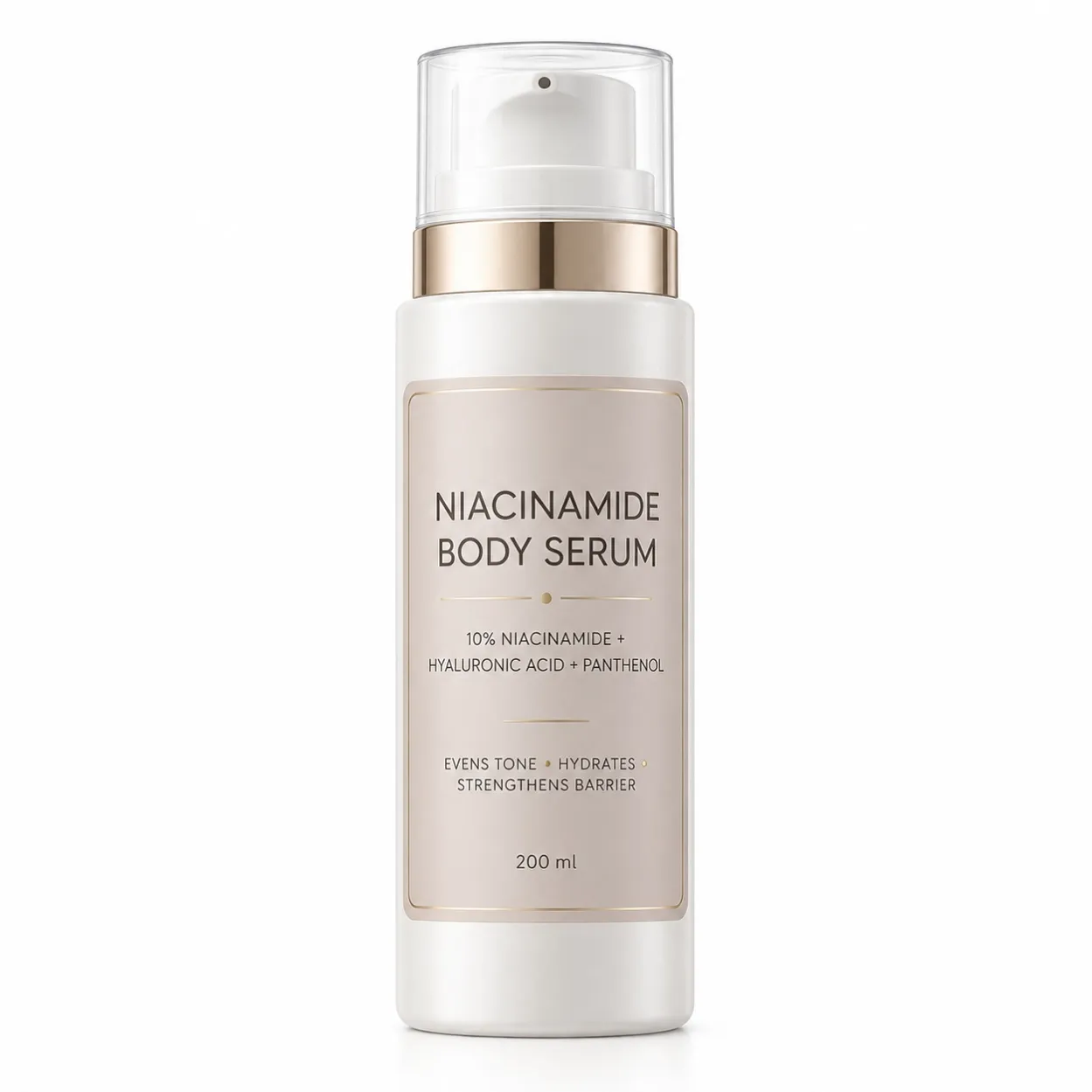
Direct answer: Fragrance-free is the clearest route for a sensitive-skin line aimed at highly reactive users, while a low-fragrance option can provide a more sensorial experience for broader daily-care customers. The two positions should not be blurred: each needs its own formula review, claim language, tolerance assessment and packaging communication.
Sensitive-skin buyers do not all want the same experience. Some want strict fragrance-free basics, while others still value a subtle scent. The product promise must be specific and credible.
Route A: fragrance-free barrier basics
This route works well for a clinical, pharmacy or family-care position. A focused three-product line can include a non-drying glycerin cleanser for face and body, a lightweight ceramide or beta-glucan lotion, and a richer barrier cream for dry areas.
Useful formula directions may include glycerin, ceramides, beta-glucan, panthenol, oats or selected soothing botanical fractions. Ingredient choice should follow the target claim, market and safety assessment. See our fragrance-free ceramide body cream.
Fragrance-free should not be used casually if masking fragrance or fragranced raw materials are present. Buyer and manufacturer should confirm the exact labeling approach for the destination market.
Route B: low-fragrance sensitive daily care
Some consumers associate scent with pleasure, freshness and routine compliance. A carefully selected low-level scent can differentiate a body wash or lotion without turning it into a perfume product.
This route suits mass retail, hospitality, family care and gifting, but it requires disciplined fragrance selection and tolerance review. Packaging should not imply that every fragrance-sensitive user will tolerate the product.
A useful architecture is one fragrance-free core formula plus one softly scented extension. This serves two preferences without building two unrelated ranges.
Texture and packaging priorities
Sensitive-skin products should feel simple to use. Cleansers need gentle rinse and low tightness. Lotions should absorb quickly enough for daily face or body use. Barrier creams should feel protective without becoming overly greasy.
Airless pumps, controlled lotion pumps and hygienic tubes can support the positioning. Wide jars may suit rich creams but require careful use instructions and preservative design.
Claims and evidence
Appropriate wording may include suitable for sensitive skin, helps support the skin barrier, fragrance-free, dye-free, helps relieve dry-feeling skin and non-drying cleanser. Every claim should be reviewed against the final formula, evidence and local rules.
Medical claims involving eczema treatment or healing require particular caution. A regulated skin-protectant product for the United States is a different development path from a standard cosmetic moisturizer.
At minimum, plan stability, packaging compatibility, microbiological controls and safety assessment. Repeat-insult patch testing, dermatologist review or consumer tolerance studies can strengthen positioning depending on budget and market.
A practical three-SKU launch
For a new importer or brand, begin with cleanser, lotion and barrier cream. Use one neutral packaging family and distinguish fragrance-free versus softly scented variants clearly. Do not add toner, essence, serum and mask until the core line proves demand.
Selected stable formulas using in-stock packaging may start from 100 pieces per SKU. Custom formulas, fragrance systems, testing programs and special packaging are quoted according to project requirements.
FAQ
Does natural fragrance mean safer for sensitive skin?
No. Natural-origin fragrance can still contain allergens or cause sensitivity. Suitability depends on the complete formula and user.
Is fragrance-free the same as unscented?
Not always. Unscented may still involve materials used to mask odor. Labeling should be checked for the target market.
Can one lotion be used on face and body?
Yes if formula, sensory profile, testing and packaging support both uses. Facial users may expect a lighter finish and stricter pore-comfort evaluation.
Should we add colloidal oatmeal?
It can support a soothing story, but claim scope and regulatory status vary by market and product category. Confirm the route before finalizing the brief.
Next step: Plan a sensitive-skin sample set by choosing fragrance-free or low-fragrance, target market, face or body use, texture, pack size, quantity and required tests.