Body Oil OEM: Define Dry-Down and Fabric Transfer Before Sampling
Set a body oil OEM brief with controlled dose, dry-down and fabric-transfer checks, damp-versus-dry use conditions and final-pack delivery requirements.
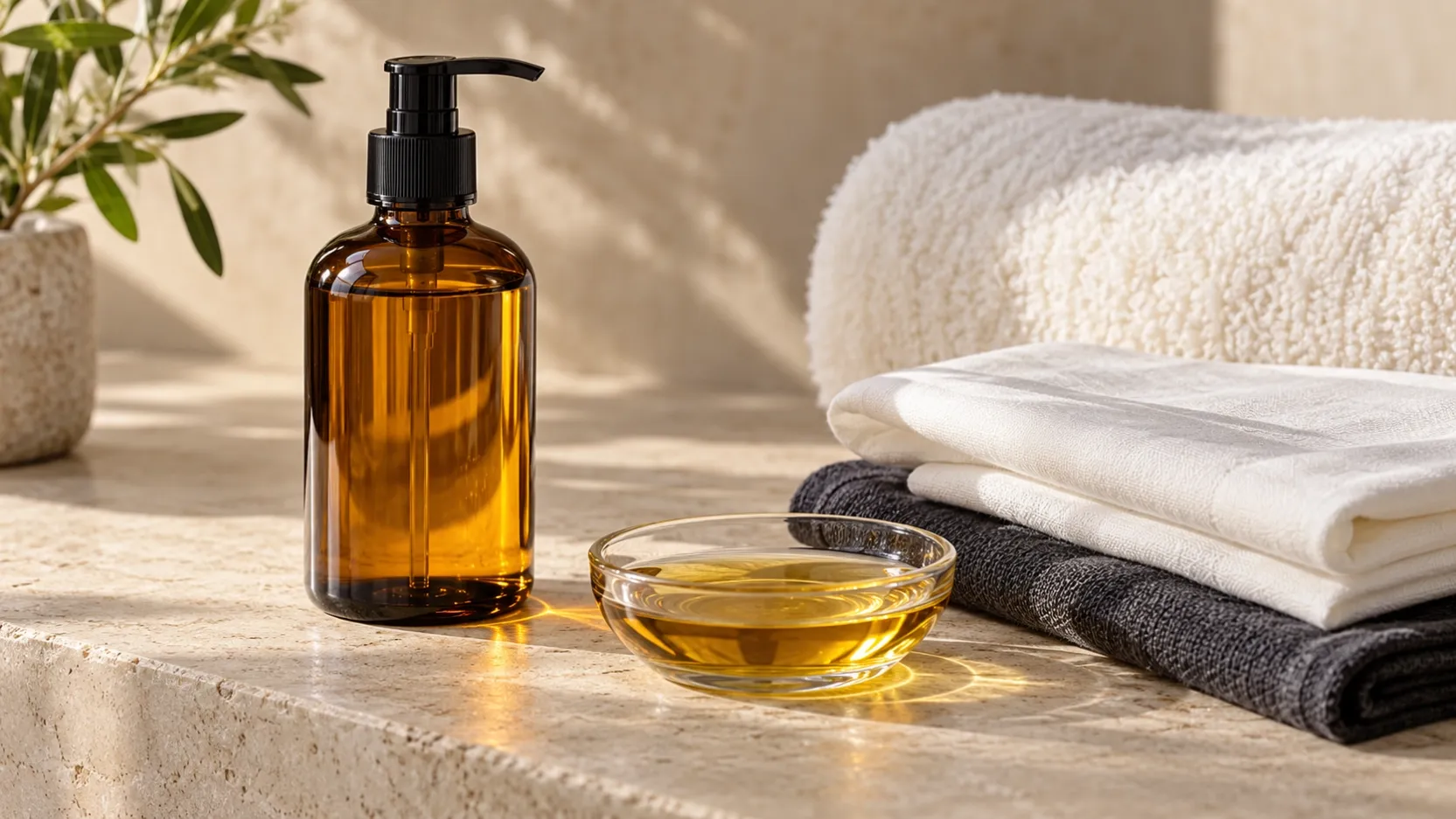
Define a body oil's dry-down at a fixed dose, application area and observation time, then assess fabric transfer under controlled contact conditions. Evaluate the intended damp- or dry-skin instruction and final pump separately. “Lightweight” is a sensory goal, not a measurable purchasing specification by itself.
A current fragrance-led body-care example
Phlur's official Vanilla Skin Body Oil page positions a scented body oil alongside its fragrance collection and instructs application on damp skin (product page, reviewed 3 October 2026). A precise launch date is not established from the page. This is a current range-extension example, not verified category growth.
Buyer inference: body oil could complement a fragrance-led hair-care range if the same customer accepts its finish and use occasion. Confirm that fit before treating it as an automatic second-category launch.
Turn “dry-touch” into a clear brief
Specify target skin feel, desired glide during application, acceptable residual slip and when a user is expected to dress. Define the intended application area and dose. A formula tested in a tiny amount should not be described as non-greasy at an unspecified “generous” amount.
Keep scent intensity separate from texture acceptance. A liked fragrance can mask a finish problem during the first impression but cannot resolve it.
Define damp and dry application conditions
If damp-skin use is proposed, standardize how the test area is dampened and the interval before oil application. Evaluate a dry-skin condition separately when it represents realistic use. Do not pool the results without stating which instruction produced the accepted outcome.
The following checks are a proposed development screen. Qualified assessors should establish the appropriate participant evaluation and claims methodology.
Compare dry-down and transfer independently
| Check | Control | Useful result |
|---|---|---|
| Application glide | Product mass and application area | Effort and spread at the intended dose |
| Residual feel | Observation time and assessor instructions | Slip, tack and perceived greasiness |
| Fabric contact | Fabric type, pressure and contact time | Visible mark or measured transfer |
| Repeat use | Defined application pattern | Acceptance beyond one light application |
| Pump output | Priming, actuation count and fill level | Delivered dose and dispensing consistency |
A lower transfer result on one fabric does not support “no staining” on every fabric. State the tested material and conditions. If laundering or a broader stain claim matters, commission the relevant extended evaluation.
Make the dose reproducible
Weigh repeated pump outputs across several units and fill levels. Confirm that the instruction's pump count corresponds to the tested amount. Evaluate drips and oily residue around the pump or closure during repeated use.
Pack evacuation matters too: customers should be able to use an acceptable proportion of the fill without opening the pack or changing their routine.
Request the complete approval scope
Ask for finished-formula stability, scent and color change monitoring, final-pack compatibility and relevant microbiological assessment. The responsible formulator should define the plan for the actual composition and expected use, rather than inferring requirements from the name “body oil.”
Confirm fragrance version, proposed cosmetic claims and the status of their supporting evidence. A pleasant skin feel does not establish a quantified hydration result.
FAQ
Does a dry-touch body oil leave no material on skin?
Not necessarily. The phrase describes a sensory outcome that needs a defined evaluation.
Can one fabric test support a universal no-stain claim?
No. Keep claims within the materials and conditions actually tested.
Should a body oil always be used on damp skin?
No. Establish and evaluate the instruction for the proposed formula.
Relevant capability and contact
Explore the body-care product range and OEM/ODM solutions for adjacent lotion, fragrance and packaging development. Confirm body-oil feasibility and final-pack scope before selecting a scent.
Contact Junchun Beauty with your target finish, fragrance reference, intended application instruction, pack size and quantity. Request a controlled dry-down and fabric-transfer comparison.