Scalp Serum OEM for Fuller-Looking Hair: Evidence Guide
Develop a cosmetic scalp serum with credible fuller-looking-hair positioning, realistic claims, suitable applicators and finished-formula evidence.
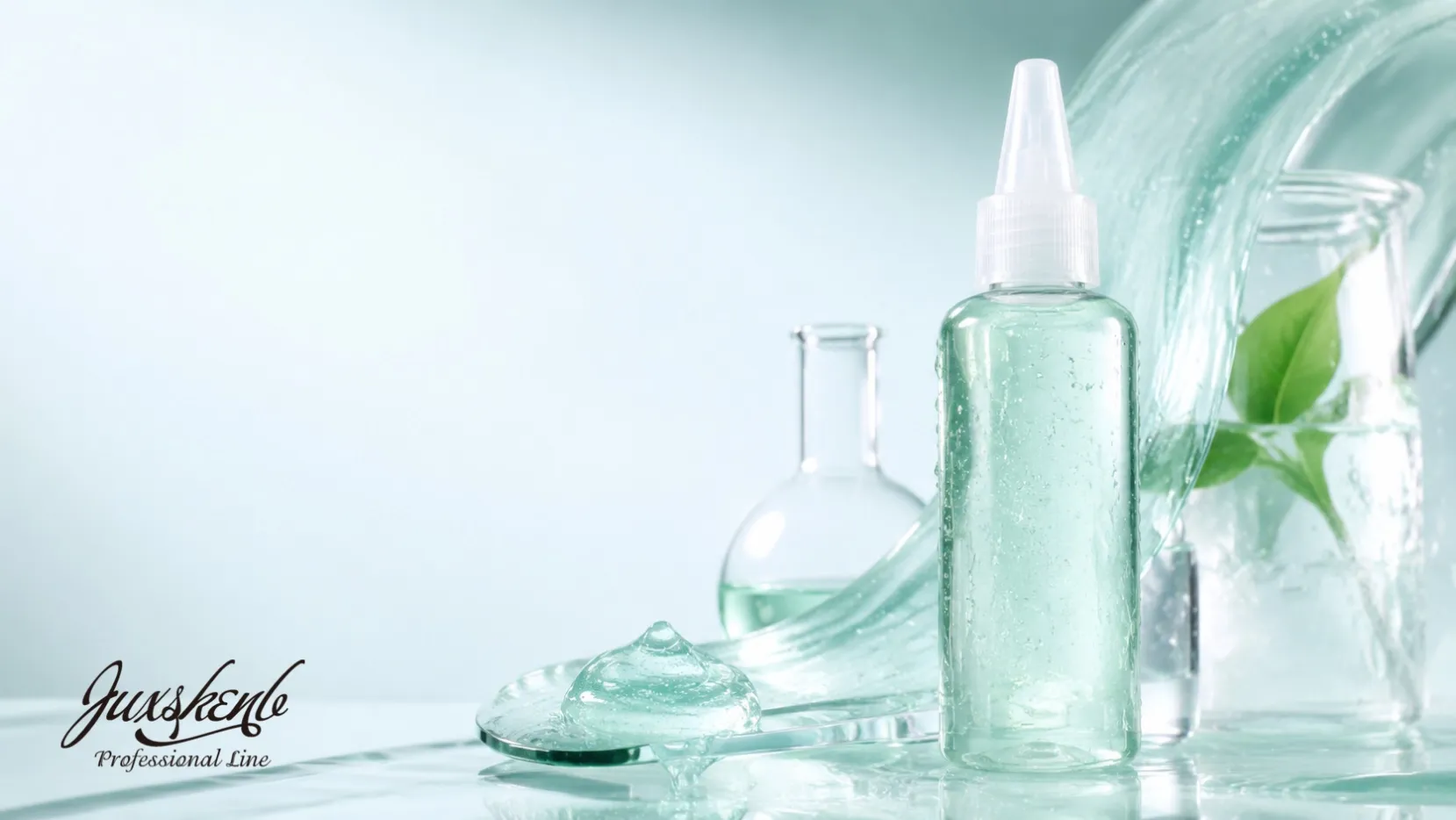
A cosmetic scalp serum should be briefed around scalp comfort, hydration, reduced visible greasiness, stronger-feeling hair and fuller-looking appearance—not the treatment of alopecia or guaranteed regrowth. Ingredient studies can support formula selection, but quantitative hair-density or shedding claims should rely on a study of the exact finished formula and intended use period.
Why the scalp-serum buyer has changed
Recent market reporting shows that thinning and scalp care are attracting a broader group of consumers, particularly women and younger buyers. Triggers discussed online include life stage, stress, rapid weight change, postpartum changes and styling damage. These are not all the same condition, and a cosmetic brand should not suggest that one serum treats them all.
The commercial opportunity is therefore segmentation, not one universal “hair growth” bottle.
Select a cosmetic positioning lane
Scalp hydration and comfort
This lane is suitable for a lightweight, fragrance-free or low-fragrance serum designed to reduce the feel of dryness and support a comfortable scalp environment. Useful evaluation points include absorption, tack, residue and compatibility with styling products.
Fuller-looking hair and root support
This lane can focus on the appearance of density, reduced visible flatness and hair that feels stronger. The formula may include selected peptides, botanical extracts, caffeine, niacinamide, humectants or conditioning agents, but the claim must reflect the evidence available.
Oily-scalp balancing routine
This lane focuses on cosmetic oil control, fresh feel and clean roots. Avoid turning sebum control into treatment claims for dandruff or scalp disease unless the product is developed and registered under the relevant regulatory pathway.
Color-treated or fragile hair scalp care
This lane connects a mild scalp serum with a gentle shampoo and conditioner. It can be useful for salon channels because the protocol addresses both scalp feel and fiber care.
Evidence has three different levels
Ingredient evidence
Supplier data can explain why an active was selected and what use level was studied. It does not prove that the final serum delivers the same result after mixing, preservation, packaging and consumer use.
Instrumental or standardized tress/scalp testing
Depending on the claim, testing may measure hydration, sebum, combing, breakage or other relevant parameters. The method must match the wording used in marketing.
Human-use study on the finished product
If the brand wants a percentage statement about shedding, density or visible improvement after a defined period, it should plan a suitable human study with a clear population, control or baseline method, duration and statistical interpretation. Before-and-after photography should use standardized lighting, angle, hair preparation and parting.
Applicator and routine design
A precision nozzle works well for section-by-section application. A dropper can look clinical but may encourage excessive dosing. A roll-on is portable and easy to demonstrate, yet ball material, flow and hygiene must be tested. The best applicator is the one that delivers the intended dose to the scalp without running onto the face or leaving the hair wet.
Give consumers a realistic routine: number of sections, amount per section, frequency, whether to massage, and whether the product is used on a clean or dry scalp.
Claim boundaries for international buyers
Cosmetic wording and permitted evidence differ by market. “Supports a healthy-looking scalp,” “helps reduce the appearance of thinning” and “hair feels stronger” may be more suitable starting points than “treats alopecia,” “stops hormonal hair loss” or “regrows follicles.” Final claims should be reviewed for the destination country before artwork approval.
FAQ
Can we use Redensyl, Procapil, caffeine or peptides?
Formula feasibility depends on the exact raw material, recommended use level, compatibility, target cost and documentation. A trademarked-ingredient claim may also require supplier authorization or specific wording.
How long should a consumer study run?
That depends on the claim. Scalp hydration can be assessed sooner than visible density. Hair-cycle-related outcomes generally require a longer and carefully designed study.
Can we call the product an anti-hair-loss serum?
The acceptability of that wording depends on the market, classification and evidence. For a cosmetic route, appearance- and breakage-related wording is usually safer.
Which size is practical?
30–60 ml is common for concentrated daily scalp serums. The correct size follows daily dose, test period and expected reorder interval.
Explore related products
Scalp Serum OEM/ODM; Rosemary Scalp Care; Professional Hair Care Manufacturing; Quality and Testing Support.
Discuss your project
Contact our professional OEM/ODM team, with more support. Tell us your target country, cosmetic claim, active preference, fragrance restrictions, applicator, study expectations and estimated volume.