Pre-Swim Leave-In Hair Care OEM: Chlorine, Salt and UV
Design a pre-swim leave-in for chlorine, salt and sun exposure with clear use directions, low buildup and finished-product testing.
A practical pre-swim leave-in should spread evenly on damp hair, improve combability, reduce post-swim roughness and rinse clean without making the hair heavy. Brands should test chlorine- or salt-exposed treated tresses and use precise wording such as “helps protect hair from the drying effects of pool and sea water” when supported.
Define what the product is protecting
Hair exposed to pool water, sea water, sun and repeated washing may feel rougher, tangle more easily and lose cosmetic color faster. A formula can be designed to condition the fiber surface and support easier post-swim cleansing. However, different stressors require different test models.
Chlorine exposure is not the same as metal deposition, salt exposure or ultraviolet exposure. Avoid combining them into one absolute claim without separate evidence.
Choose the right format
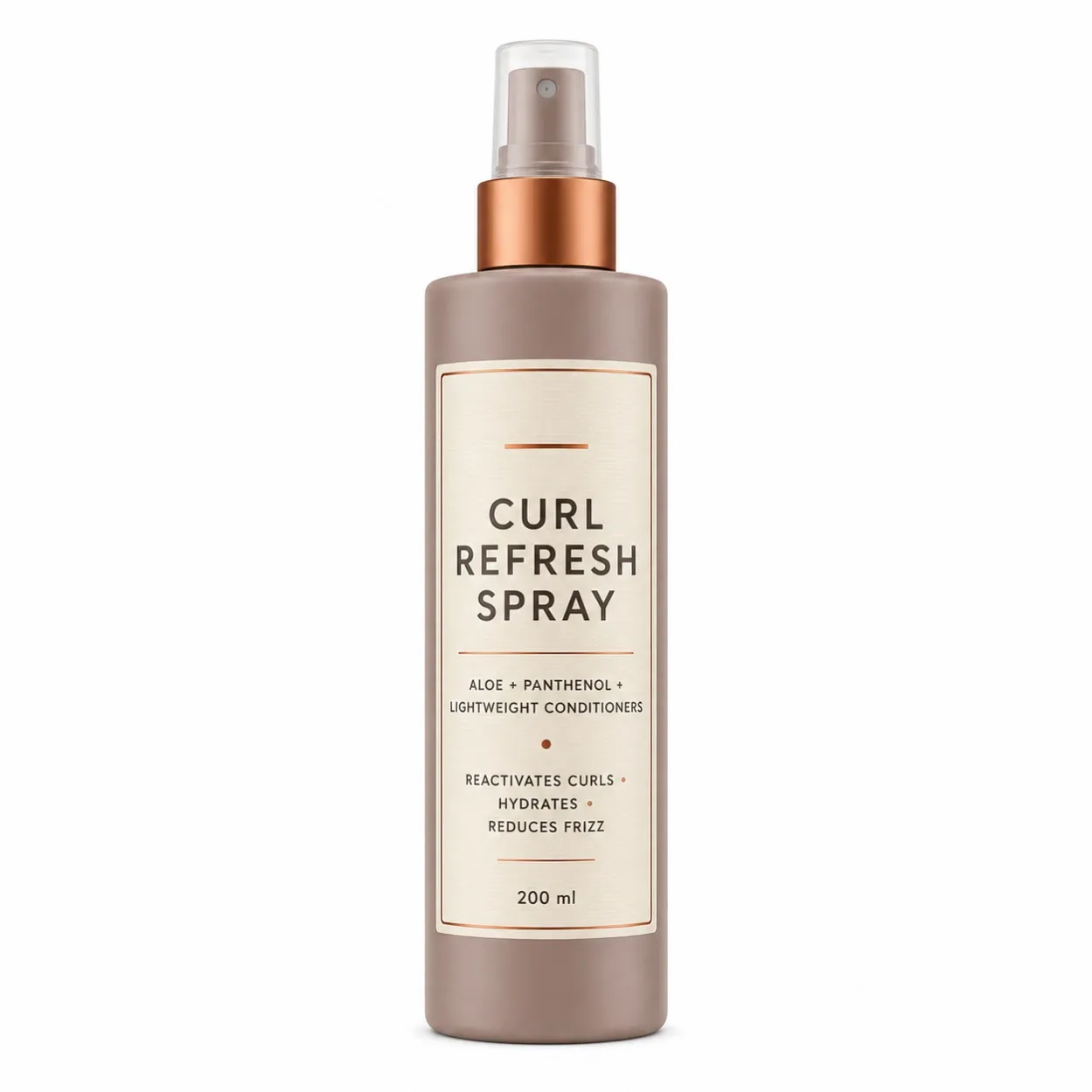
Fine-mist spray
A mist is convenient for families, travel and quick reapplication. It must deliver enough product to coat the lengths and ends, not disappear into the air. Very thin formulas can run onto the face, while rich formulas may clog a fine-mist actuator.
Light cream or milk
A milk offers better visual control and can work well for dry, curly or bleached hair. The main challenge is distributing it evenly before swimming without making hair greasy.
Oil or silicone serum
This format can provide strong surface slip and water resistance, but dose is critical. It may be better for ends than roots and may require more cleansing after use.
Build a realistic use protocol
Directions should tell the consumer whether to wet the hair with fresh water first, how much product to apply, whether to comb through, and when to shampoo afterward. A brand can create a simple three-step system:
1. Saturate or dampen hair with fresh water.
2. Apply leave-in evenly from mid-lengths to ends, with additional attention to porous areas.
3. Rinse after swimming and follow with a mild cleansing shampoo and conditioner or mask.
The product should be tested using the same protocol printed on the label.
Testing options for credible claims
Compare treated and untreated hair tresses after controlled exposure to chlorinated water or salt solution. Assess combing force, color change, tensile breakage, surface friction, gloss and tactile roughness as relevant. For UV-related positioning, use an appropriate laboratory protocol and avoid borrowing skin-SPF language for hair.
Consumer testing can evaluate ease of use, residue, smell after swimming, detangling and post-dry feel. It is valuable for communication, but it should not replace instrumental evidence for a technical protection claim.
Packaging and travel checks
Swim products often live in hot cars, beach bags and gym lockers. Test leakage, cap retention, spray performance after heat exposure and label resistance to water. A locking pump or secure overcap can prevent returns. Consider 50–100 ml travel sizes and a larger 150–250 ml family size.
FAQ
Can we say the product removes chlorine?
Only if the finished product has evidence for that precise claim. A pre-swim leave-in is more naturally positioned around protection from drying effects and improved post-swim manageability.
Is EDTA enough for a swimmer formula?
A chelating ingredient can be useful, but performance depends on the full formula, use level, pH and use step. Ingredient presence alone does not prove chlorine or metal removal.
Is the product suitable for color-treated hair?
It can be designed for color-treated hair, but color-retention claims should be supported by a relevant test on treated tresses.
Can it be used on children's hair?
That requires an age-appropriate safety review, gentle fragrance strategy, clear supervision directions and target-market compliance. Avoid eye-area exposure.
Related product directions
UV and Color Shield Hair Veil; Chelating Shampoo OEM; Repair Hair Mask; Children's Hair Care Manufacturing.
Discuss your project
Contact our professional OEM/ODM team, with more support. Tell us your pool or beach use case, adult or child target, hair type, preferred format, fragrance preference, test claims, size and forecast volume.