Sep 14, 2026Buying Guides
Salon Texture Diagnostic Mini Trio OEM: Porosity, Slip and Finish Sampling
A distributor guide to a three-mini salon sampling concept for comparing porosity, slip and finish before selecting full-size hair-care SKUs.
A distributor choosing hair-care products often receives many samples but little structure for comparing them. A salon texture diagnostic mini trio turns sampling into a repeatable evaluation. Instead of presenting three near-identical masks, the supplier defines three performance roles so stylists can compare porosity response, slip and finish on relevant hair types.
What Is a Texture Diagnostic Mini Trio
The concept uses three clearly coded mini products, for example: lightweight moisture, repair-focused conditioning and rich smoothing. The exact formats can be masks, conditioners or leave-in treatments. Each sample card explains the target hair condition, application amount, contact time and evaluation questions. It is a buyer-development tool, not a medical diagnosis.
Why Distributors Can Use It
Distributors serve salons with different client profiles. A single “best” mask may not suit fine highlighted hair, coarse textured hair and severely bleached hair equally. Structured sampling helps identify which performance profile deserves a retail SKU, which fits a 1000ml backbar size and which may be unnecessary for the local market. This reduces decisions based only on fragrance or packaging.
Build Three Clear Performance Roles
Keep the contrast easy to understand. Formula A can prioritize quick slip and light rinse. Formula B can prioritize balanced repair feel and softness. Formula C can prioritize rich smoothing for coarse or highly processed lengths. The formulas should not make unsupported claims about measuring porosity or repairing internal bonds. Their purpose is to reveal preference and observable cosmetic performance.
How to Run the Salon Test
Use a consistent wash step, application amount and contact time. Record starting hair condition, wet combing, detangling speed, rinse feel, dry softness, shine, movement and next-day residue. Where possible, test each formula on multiple clients or standardized swatches. Ask stylists which result they would recommend, what service it supports and what retail price position feels credible.
Mini Packaging and Identification
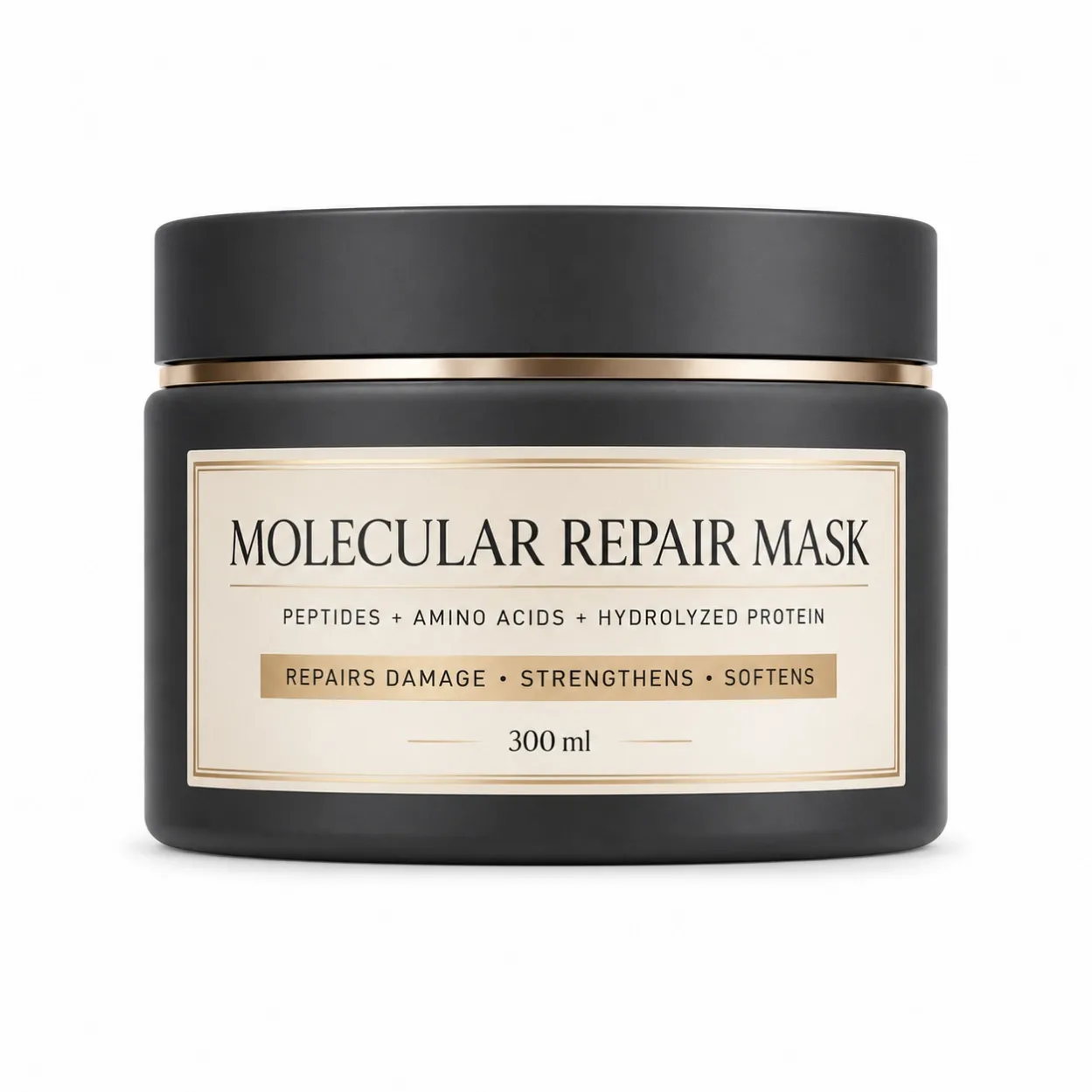
A 30ml to 60ml tube, jar or sachet can provide one or several tests depending on hair length. Use large A/B/C identifiers, formula codes and multilingual instructions. Packaging must protect the formula and remain easy to use in a wet salon environment. For events such as distributor meetings, pack the trio with a compact scorecard and a QR link to the product brief.
Turning Feedback Into a Full-Size Range
Summarize results by hair type and channel instead of averaging every response together. Select one or two winners for initial launch, then confirm retail and salon sizes. The same approved base direction can be adjusted for fragrance, color and packaging, but any material formula change requires renewed compatibility and stability review.
Claims and OEM MOQ
Use cosmetic language such as helps detangle, improves manageability, supports a smoother feel or leaves hair looking glossy when supported by testing. Avoid presenting the trio as a scientific porosity test. MOQ starts from 100 pcs per SKU for selected stable formulas using in-stock bottles. Custom formulas, colors, fragrances, and packaging are quoted based on project requirements.
Buyer FAQ
Does the trio require three completely custom formulas? No. Buyers can begin with selected stable formulas or request deeper customization.
Can it be used at Beautyworld Middle East buyer meetings? Yes. A coded mini set and scorecard can make follow-up discussions more specific.
What happens after testing? The buyer selects the preferred performance profile, package sizes and claim direction for quotation and approval.