Professional Bond Repair: How to Compare Performance Across Washes
Build a repeat-wash comparison for salon bond repair samples, separating first-use slip from performance that remains after washing.
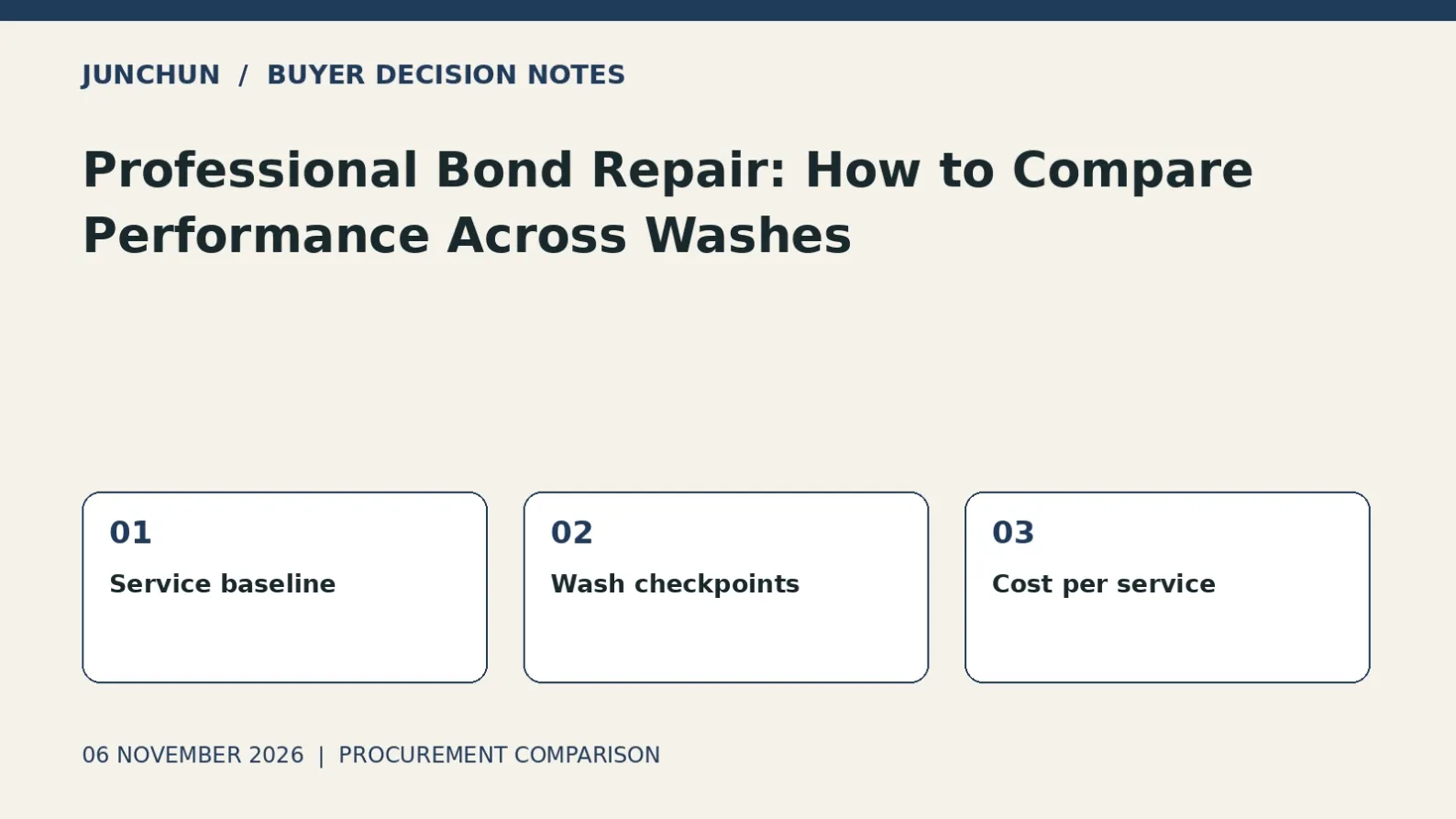
Compare the candidate with your current conditioning treatment at two points: immediately after the service and after the wash sequence you intend to discuss with customers. Agree what difference would matter to stylists before testing. Immediate slip and a persistent difference answer different procurement questions.
Specify a service, not a mechanism
The November 3 in-cosmetics Asia awards program distinguishes ingredient innovation from finished formulations. Treat that as a useful sourcing distinction. Ingredient literature helps you decide what to sample, but it does not establish what your finished treatment does. Give the lab one use case, such as wet detangling on previously lightened hair, and define the existing salon treatment as the reference.
Control damage and application
Use comparable hair swatches and allocate them across the current treatment, candidate and a control following the same wash routine without the candidate. Fix application mass, contact time, water conditions and drying process. Ask the lab to record baseline condition and the method used for any instrument-based combing measurements. Have evaluators score coded samples without knowing the brand.
Measure at separate checkpoints
Record wet combing and dry finish immediately, then after each of the washes you plan to study. Keep the follow-up shampoo, wash count and conditioner use consistent. If the candidate only improves the first-use score, evaluate it as a service experience. If the difference persists, use the result to plan a larger study with defined endpoints. Keep any tensile or chemical bond evidence separate.
Make the service cost comparable
Record the actual dose dispensed from the proposed pack, usable fill and application time. Compare cost per service, including the portion left in the pack. Ask JunChun to confirm an eligible stock pack or quote the proposed change separately. Selected mature formulas with qualified stock packaging can start at 100 pieces; packaging changes start from 500 subject to process.
Frequently asked questions
Does easier wet combing prove bonds were rebuilt?
No. The method assesses a performance outcome, not a molecular mechanism.
Do I need a comparison after every planned wash?
Use the checkpoints relevant to the intended positioning and document the exact protocol.
Should the current conditioner be excluded?
No. It is a useful commercial reference alongside a suitable control.
Related product and development support
Professional bond-repair treatment · JunChun development and manufacturing support
Request a focused project review
Send the reference product, hair condition, intended wash checkpoints and target service cost to discuss an evaluation brief. Contact JunChun or email info@junchunbeauty.com.
Sources and evidence limits
The trade program is a sourcing signal; the finished product comparison is a proposed lab protocol.
Procurement procedures are proposed comparison methods, not completed JunChun test results. Market signals do not establish future sales or inquiry results.