Sep 6, 2026Buying Guides
Non-Aerosol Root-Lift Microfoam OEM: Lightweight Volume for Fine Hair and Air-Dry Styling
An OEM buyer guide to non-aerosol root-lift microfoam for fine hair, covering formula design, styling tests, foamer packaging, claims and MOQ.
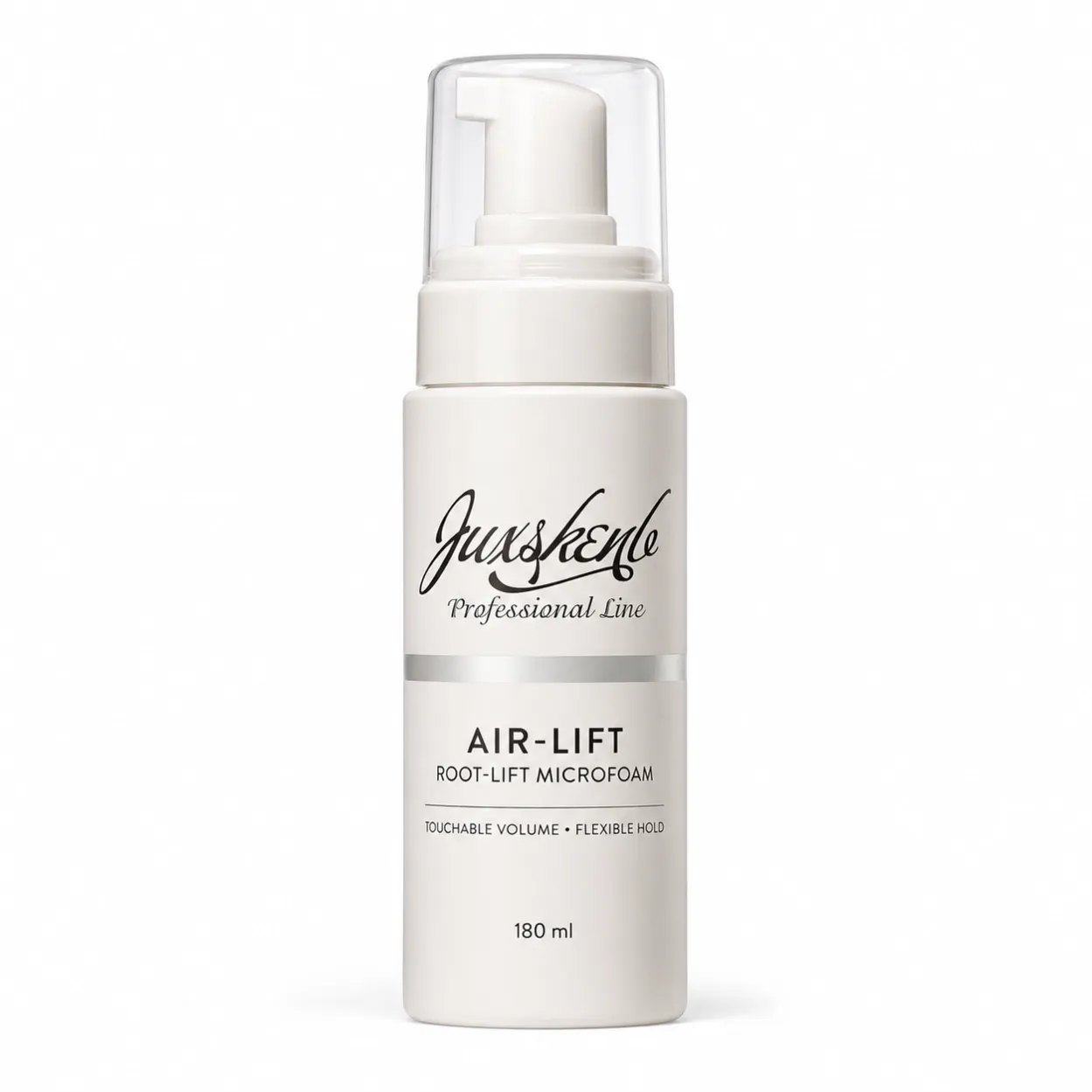
Fine-hair buyers want visible lift without stiffness, powdery residue or the environmental and shipping complications associated with traditional aerosol mousse. A non-aerosol root-lift microfoam gives brands a modern answer: pump-dispensed foam that spreads quickly at the roots, supports blow-dry or air-dry styling and remains light enough for frequent use.
Why Root-Lift Microfoam Is Timely in 2026
Volume remains a high-intent hair-care need, while consumers increasingly compare styling products by weight, residue, heat exposure and ease of use. Current Amazon beauty activity around volumizing mousses and the continued attention around airflow styling tools show that buyers are not only looking for hold. They want fast routines, touchable movement and less dependence on extreme heat.
For private-label brands, the opportunity is to translate this behavior into a focused claim hierarchy: lightweight root lift first, flexible hold second, and clean-feeling finish third. This is more credible than trying to promise repair, growth, thermal protection and all-day styling from one basic foam.
Define the Product Before Selecting Ingredients
A useful OEM brief should state the target hair type, styling method and desired finish. Fine straight hair may need faster root support and a dry after-feel. Wavy hair may need flexible memory without disrupting natural pattern. Salon backbar use may prioritize sectioning control and blow-dry performance, while retail users need simple instructions and forgiving dosage.
- Format: non-aerosol pump microfoam
- Primary result: visible root lift and airy volume
- Finish: flexible, non-crunchy and low residue
- Use: damp roots before blow-drying or air-drying
- Target users: fine, flat or easily weighed-down hair
Formula Architecture for Lightweight Volume
The polymer system determines whether the foam feels modern or sticky. A development team can evaluate lightweight styling polymers, conditioning agents and humectants at levels that provide support without collapsing fine hair. Panthenol, selected proteins or amino-acid stories may support a care narrative, but the finished formula must still be judged by real styling performance.
Fragrance should remain controlled because the product is applied close to the scalp. Brands can request a light clean scent, a fragrance-free direction or a coordinated fragrance that matches shampoo and conditioner. Any scalp-comfort or heat-protection claim requires formula-specific substantiation.
Performance Testing Buyers Should Request
A sample should be assessed on representative hair tresses and, when possible, by salon users. Compare untreated hair with the proposed microfoam at the recommended dose. Useful evaluation points include root height after drying, hold after four to eight hours, combability, tack, visible residue, flaking, reworkability and humidity response.
Packaging compatibility is equally important. Foam quality can change when the pump, dip tube, viscosity and formula are not matched. Stability, leakage, repeated pumping and transport testing should be completed with the final bottle rather than a temporary laboratory container.
Packaging and Size Strategy
A 150–200 ml foamer is practical for retail. Professional or high-frequency formats can be evaluated separately. Non-aerosol packaging can simplify the consumer story, but buyers still need to confirm pump output, neck finish, label area, decoration method and carton requirements.
Use clear directions such as applying one to three pumps at the roots, distributing by section and drying with lift. Overpromising dosage-independent results creates avoidable complaints, especially across different hair densities.
Build a Small Fine-Hair System
The microfoam performs better commercially when it has a clear role in a routine. Pair it with a gentle lightweight shampoo, a low-weight conditioner and an optional heat-and-UV mist. This allows distributors and salons to sell a system without forcing every consumer to buy a large collection.
Explore the existing product concept: https://www.junchunbeauty.com/products/private-label-air-lift-root-lift-microfoam-180ml-non-aerosol
OEM Decisions to Confirm Before Sampling
- Target market and regulatory route
- Hair type, climate and styling method
- Required level of lift, hold and humidity resistance
- Fragrance direction and allergen-label requirements
- Retail size, foamer output and decoration
- Claims that require instrumental or consumer testing
Guangzhou Junchun Cosmetics Co., Ltd. supports private-label and OEM/ODM development with GMP and ISO 22716 manufacturing systems, packaging coordination and market-specific documentation planning. FDA registration, HALAL support and EU/UK compliance work should be matched to the final product and destination rather than treated as universal product approvals.
MOQ and Development Route
MOQ starts from 100 pcs per SKU for selected stable formulas using in-stock bottles. Custom formulas, colors, fragrances, and packaging are quoted based on project requirements. A custom foamer, special decoration or new performance target may require a higher quantity and additional sampling.
Buyer FAQ
Is a non-aerosol microfoam the same as traditional mousse?
No. It uses a mechanical foamer rather than a pressurized aerosol system. Foam density, hold and application feel must be designed for the selected pump.
Can the formula remain lightweight on fine hair?
Yes. Polymer level, conditioning weight and dosage can be optimized during sampling, then checked for residue and collapse after drying.
Can it support air-dry styling?
It can be developed for both air-dry and blow-dry routines, but the two methods should be evaluated separately because lift and hold may differ.
Can we add heat protection?
A heat-protection direction can be explored. Any temperature or damage-reduction claim must be supported by the finished formula and an appropriate test method.
Can salons receive a backbar size?
Yes, subject to compatible packaging and project quantity. Retail and backbar formats should use consistent directions and fragrance.
What should a buyer send for a quotation?
Send the destination market, target hair type, required size, estimated quantity, desired finish, fragrance direction and packaging reference.
Start a Root-Lift Microfoam Project
Contact our OEM/ODM team with your market, quantity and packaging preference. We will recommend a stable-formula or custom-development route and the next sample step: https://www.junchunbeauty.com/contact