Sep 14, 2026Buying Guides
Human-Hair Extension Care OEM: Lightweight Leave-In Milk, Slip and Buildup Testing
A buyer guide to lightweight leave-in care for human-hair extensions, covering slip, buildup, heat styling, packaging, claims, testing and OEM MOQ.
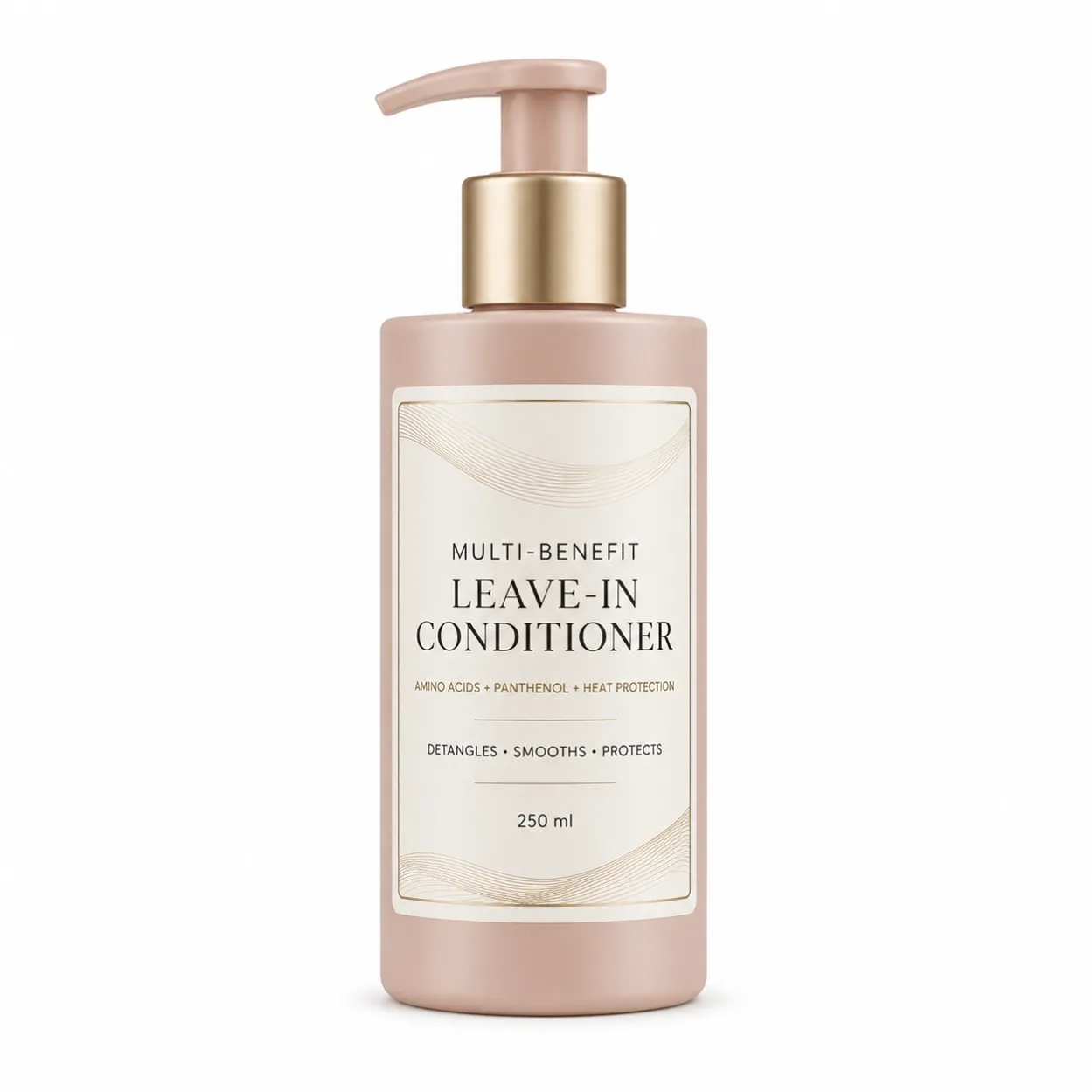
Human-hair extensions need softness and detangling, but heavy residue can reduce movement and make the hair look coated. For private-label buyers, a lightweight leave-in milk offers a clear salon-to-home opportunity: it supports easier combing, a smoother finish and more manageable lengths without positioning the product as an oily repair treatment.
Why Extension Care Needs a Different Product Brief
Extensions do not receive natural scalp oils in the same way as growing hair. The mid-lengths and ends can become dry, tangled or dull, while rich products may build up around attachment areas. A useful OEM brief should therefore define light slip, low visible residue and controlled application. The goal is not maximum richness. It is balanced conditioning that keeps the finished style soft and mobile.
Who Should Build This Product
This concept fits extension salons, wig and hairpiece brands, beauty distributors and ecommerce brands selling maintenance routines. It can also work as a broader leave-in product for long, color-treated or frequently heat-styled hair. Buyers should decide whether the main channel is professional recommendation, retail aftercare or both, because the instructions and pack size may differ.
Recommended Formula Direction
A milk, light cream or fluid emulsion is easier to distribute than a dense mask. The formula can be customized around conditioning agents, humectants, lightweight emollients and heat-care ingredients according to the target market. Silicone-free or silicone-containing routes can both be evaluated; the best choice depends on the desired slip, finish, combing performance and claim strategy. Fragrance should remain noticeable but not overpower perfume or salon services.
Slip and Buildup Testing
Test on dry and damp human-hair extension swatches, not only on untreated laboratory hair. Compare wet combing, dry combing, softness, shine, strand separation and residue after repeated applications. A practical panel should include straight, wavy and textured extension types. Pay special attention to attachment zones and tapes: buyers should instruct consumers to apply through the lengths and ends unless the product has been specifically validated for the attachment method.
Heat Styling and Fragrance Choices
If heat protection is part of the positioning, define the styling temperature, application amount and test method before using a numerical claim. A safer launch message may focus on heat-styling support when market-specific substantiation is still being prepared. For fragrance, two or three directions are usually enough for sampling: clean salon, soft floral and warm gourmand can cover distinct buyer preferences without creating unnecessary development complexity.
Packaging and Size Planning
A 50ml or 60ml pump is useful for salon sampling and travel. A 150ml to 200ml pump or controlled-dose bottle fits retail aftercare. Fine sprayers should only be used if the viscosity and spray pattern remain stable over time. Pump output, leakage, label adhesion and compatibility with the formula all need testing. Clear usage instructions help prevent over-application and reduce complaints about heaviness.
Claims and OEM MOQ
Suitable cosmetic claims may include helps detangle, improves manageability, leaves hair feeling soft and supports a smoother-looking finish. Avoid promises to repair attachment damage or permanently restore extension fibers without appropriate evidence. MOQ starts from 100 pcs per SKU for selected stable formulas using in-stock bottles. Custom formulas, colors, fragrances, and packaging are quoted based on project requirements.
Buyer FAQ
Can the same formula serve natural hair and extensions? Yes, if the performance target is lightweight conditioning, but extension-specific testing and instructions are still recommended.
Should the product be a spray or a pump milk? A pump milk gives more formula flexibility; a spray requires tighter viscosity and nozzle testing.
Can buyers request private fragrance and packaging? Yes. Both can be customized, with MOQ and lead time confirmed after the project brief.