Sep 15, 2026Buying Guides
Hair Longevity OEM: Scalp-to-Length Care Without Hair-Growth Claims
A claim-safe OEM guide to hair longevity ranges built around gentle shampoo, scalp serum, repair mask, leave-in care, testing and packaging.
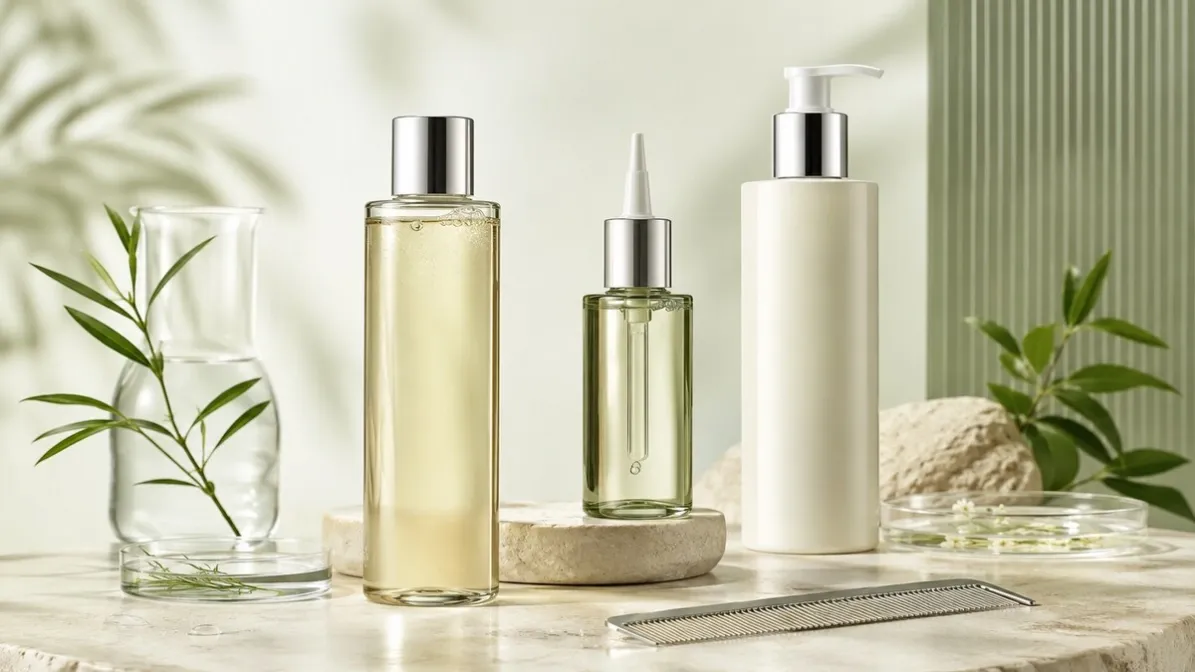
Hair longevity is an emerging way to describe long-term attention to scalp comfort, hair fiber quality and daily damage reduction. For OEM buyers, the opportunity is not to promise new hair growth. It is to build a clear scalp-to-length routine that supports cleansing, conditioning, breakage-care and manageable styling with claims matched to evidence.
The Short Answer
A practical hair-longevity range can start with four roles: gentle shampoo, lightweight scalp serum, repair mask and leave-in protection. Each product should solve one visible or sensory need. Avoid presenting cosmetic products as treatments for hair loss, scalp disease or permanent structural repair unless the destination-market route and evidence support those claims.
Begin With Consumer Behaviors
Map the routine around real causes of roughness and dissatisfaction: repeated coloring, bleaching, heat styling, tight-feeling scalp after washing, mineral buildup, UV exposure, friction and difficult detangling. A focused brief is more useful than a long ingredient trend list because it tells the formulator what the consumer does and what improved experience should be measured.
Step One: Gentle, Effective Cleansing
A longevity-positioned shampoo should clean the scalp and roots without leaving the lengths unnecessarily rough. Buyers can compare foam profile, wet friction, rinse speed, scalp feel and compatibility with local water. Sulfate-free is a formulation option, not an automatic guarantee of mildness or performance.
Step Two: Lightweight Scalp Care
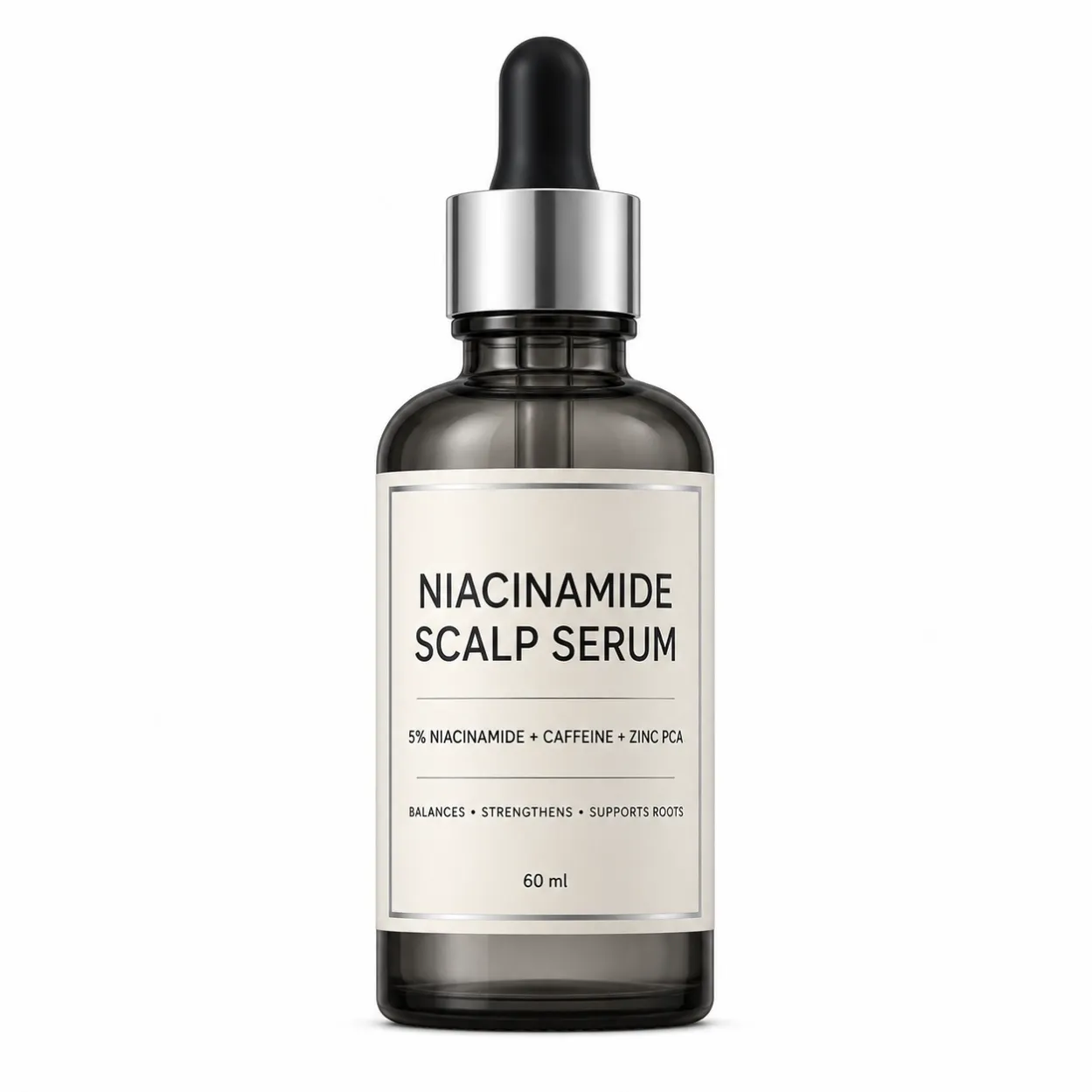
A water-based scalp serum can support hydration and comfortable scalp feel without a greasy root appearance. Precision-nozzle, dropper and comb applicators create different dosing behavior. Niacinamide, panthenol, humectants and other scalp-care ingredients may be considered within the formula and destination-market requirements, but ingredient presence alone does not prove hair growth.
Step Three: Repair-Focused Rinse-Off Care
A mask or treatment can target softness, slip, smoother appearance and reduced breakage during combing when supported. Choose light, balanced or rich conditioning depending on hair diameter, porosity and channel. Salon backbar and retail sizes can share a formula only after viscosity, dispensing and use economics are checked.
Step Four: Daily Leave-In Protection
Leave-in milk, serum or mist can improve detangling, reduce frizz appearance and support heat-styling routines. The best format depends on hair type and use habits. Fine hair may prefer a mist or light milk; dense curls and highly porous lengths may need richer slip without sticky buildup.
Build a Simple Test Scorecard
Ask salon or consumer panels to score wet detangling, dry combing, softness, shine, residue, root appearance, fragrance and style longevity. Compare products as a system as well as individually. A heavy mask and heavy leave-in may perform well alone but create buildup when layered.
Use Claim-Safe Language
Suitable cosmetic language may focus on scalp comfort, hydration, detangling, smoother-looking hair, shine, manageability and reduced breakage appearance when supported. Avoid claims such as regrows hair, stops hair loss, cures dandruff or permanently rebuilds every bond without the appropriate regulatory route and evidence.
Packaging and Range Architecture
Use pack size to define product role. Shampoo may fit 300ml retail and 1000ml salon sizes; serum often works in a 30ml to 60ml precision package; masks may use 300ml to 500ml retail or 1000ml backbar formats; leave-ins commonly use 100ml to 200ml pumps or sprayers. Test leakage, dosing, label adhesion and transport conditions with the final formula.
MOQ and Development Route
A buyer can begin with one or two stable formulas and stock packaging, then extend the range after market feedback. MOQ starts from 100 pcs per SKU for selected stable formulas using in-stock bottles. Custom formulas, colors, fragrances, and packaging are quoted based on project requirements.
Buyer FAQ
Does hair longevity mean hair-growth treatment?
No. In a cosmetic range, it can describe care for scalp comfort, fiber appearance, breakage reduction and routine consistency without making medical growth claims.
Which SKU should launch first?
For most hair-care-first brands, a shampoo and mask create a simple core. A scalp serum or leave-in can add a more distinctive second step.
Can one formula suit every hair type?
Usually not perfectly. Conditioning level, residue tolerance, fragrance and application should reflect the target consumer.
What should be measured before launch?
Evaluate sensory performance, compatibility, stability, microbiological quality, package function and the evidence needed for planned claims.
Related OEM Options
Niacinamide Scalp Serum: https://www.junchunbeauty.com/products/private-label-niacinamide-scalp-serum
Molecular Repair Hair Mask: https://www.junchunbeauty.com/products/private-label-molecular-repair-mask