Sep 3, 2026Buying Guides
Cosmetics OEM Documents Explained: FDA Registration, ISO 22716, HALAL, CPNP, CPSR and EU/UK RP
A practical buyer guide to cosmetics OEM documentation for the US, EU, UK and Middle East, with clear distinctions between registrations and certifications.
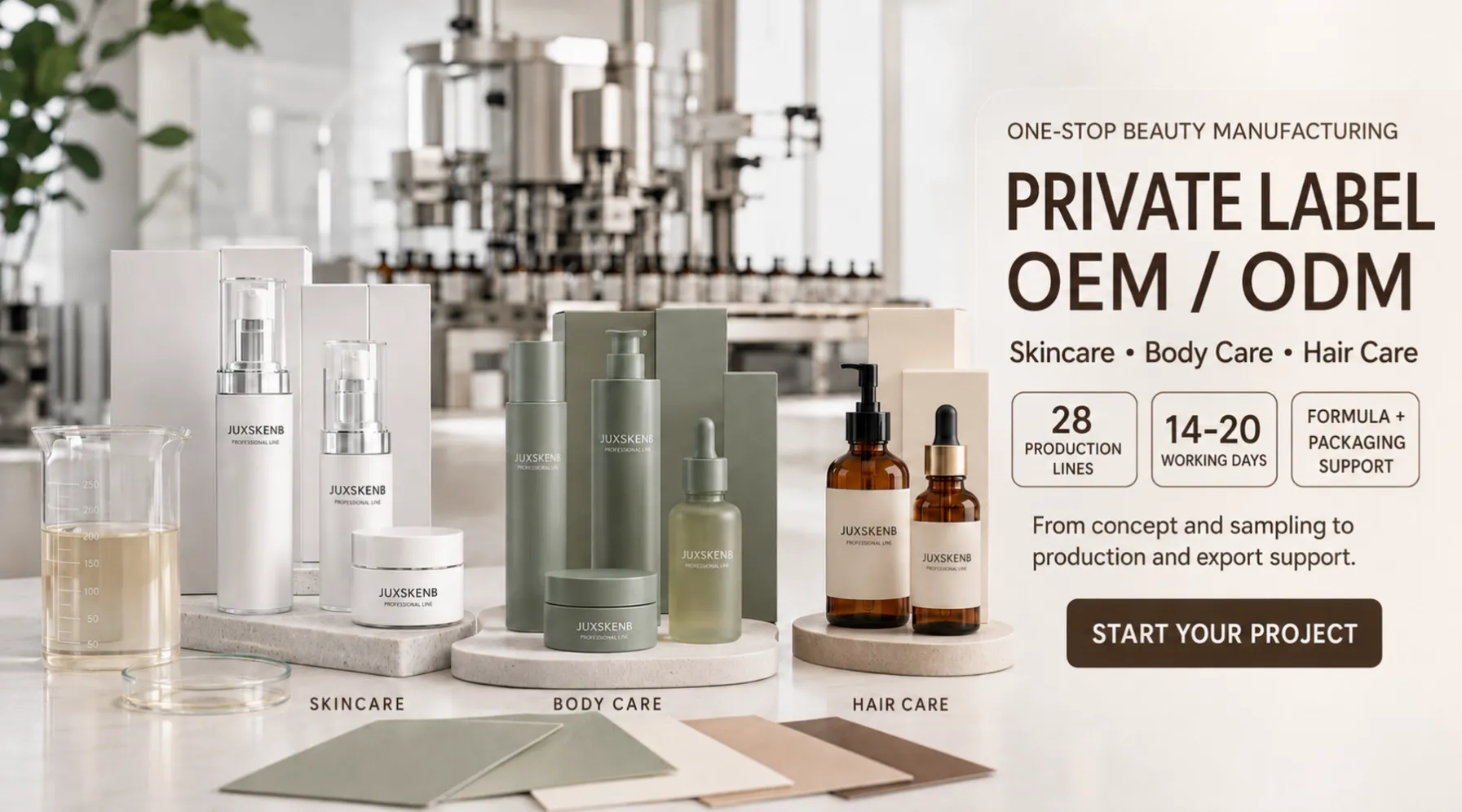
Cosmetics buyers should not treat every factory document as the same type of approval. ISO 22716 and GMP address manufacturing practices, FDA facility registration relates to the U.S. regulatory framework, HALAL is a certification route, CPNP is an EU product notification, CPSR is a product safety report, and EU or UK Responsible Persons have market-specific legal roles.
What documents should a cosmetics OEM buyer verify?
The correct document set depends on the finished formula, product claims, destination market and responsible company. A serious sourcing review should separate factory-level evidence from product-level compliance.
Factory-level documents
These may include:
- Business and manufacturing registration
- GMP certificate
- ISO 22716 certificate
- FDA cosmetic facility registration information, where applicable
- HALAL certification and scope
- Quality-management and production records
Product-level documents
These may include:
- Approved full INCI list
- Product specification
- Certificate of Analysis for the production batch
- SDS or MSDS where applicable
- Microbiological test report
- Stability and packaging compatibility information
- Preservative efficacy or challenge test
- Claims substantiation
- Destination-market safety and notification files
A factory certificate does not automatically make every customized formula compliant in every market.
What does ISO 22716 mean?
ISO 22716 provides guidelines for cosmetic production, control, storage and shipment. It is important evidence of good manufacturing practice, but it is not a product efficacy certificate and does not replace finished-product safety assessment.
Buyers should check the certificate holder, scope, issuing body and validity period.
Does FDA registration mean FDA approved?
No. FDA registration must never be described as FDA approval. Under the U.S. Modernization of Cosmetics Regulation Act, facility registration and product listing obligations apply in defined circumstances. The FDA registration and listing guidance explains responsibilities and exemptions.
For U.S. projects, the buyer and manufacturer should also review safety substantiation, adverse-event responsibilities, label compliance and whether the product remains a cosmetic. Anti-dandruff, sunscreen and certain other claims can place a product under additional drug requirements.
What does HALAL certification cover?
HALAL certification can support Muslim-market confidence when the certificate and its scope cover the relevant manufacturing activities or products. Buyers should verify:
- Certification body
- Factory or product scope
- Validity dates
- Raw-material and processing requirements
- Whether the destination buyer or authority accepts that certification
HALAL status does not replace local cosmetic registration, safety testing or labeling.
Is CPNP a certification?
No. The Cosmetic Products Notification Portal is the European Union's online notification system under Regulation (EC) No 1223/2009. A product is notified through CPNP before it is placed on the EU market, but the notification itself is not a quality certificate.
A compliant EU project normally also needs:
- An EU-established Responsible Person
- Cosmetic Product Safety Report
- Product Information File
- GMP evidence
- Compliant label and claims
- Required notification information
- Ongoing safety and traceability responsibilities
Selected existing products may already have completed CPNP notification. A new formula, new responsible party or relevant product change must be reviewed separately.
What is a CPSR?
The Cosmetic Product Safety Report evaluates the safety of a specific finished cosmetic product based on its formula, raw-material data, exposure, packaging, stability, microbiology and other relevant evidence. It must be prepared by a suitably qualified safety assessor.
A CPSR is formula-specific. A supplier cannot honestly promise that every future customization is automatically covered by one existing report.
What are EU and UK Responsible Persons?
The EU Responsible Person must be established in the European Union and carries defined compliance duties for products placed on the EU market. Great Britain operates a separate notification and Responsible Person framework after Brexit.
An EU contact and a UK contact are not automatically interchangeable. Brands selling in both markets should plan separate responsibilities, labels and notifications as required.
What can Guangzhou Junchun Cosmetics support?
Junchun has 24 years of cosmetics manufacturing experience with China and UK R&D support. Our factory capabilities include professional hair care, skincare and body care.
Available factory credentials include:
- GMP
- ISO 22716
- FDA registration
- HALAL certification
For eligible projects, we can support:
- Full INCI and product specifications
- COA, SDS and microbiological documentation as applicable
- Stability, compatibility and required testing planning
- EU CPSR and PIF preparation
- CPNP notification for compliant products
- Long-term EU and UK Responsible Person contacts
- Market-specific label review and export documentation
Documentation is confirmed by formula and project. Some product files are released after order confirmation because they relate to the approved formula and production batch.
How do MOQ and compliance interact?
MOQ depends on the degree of customization.
- Mature formula plus available stock packaging may start from 100 units for selected products.
- Professional salon systems commonly require higher project quantities.
- Custom formulas, exclusive packaging, custom bottle colors and special testing require higher MOQ and development cost.
- Professional hair color cream customization is planned from 20,000 tubes total, with 900 tubes per approved shade.
- White and blue bleach powder can begin from 500 units; pink, green and other custom powder colors begin from 1,000 units.
This structure lets buyers test suitable mature products without presenting Junchun as only a small-batch factory.
Buyer verification checklist
Before paying for a customized project, request written confirmation of:
- Exact formula and target market
- Packaging components included in price
- MOQ by formula, color, size and decoration
- Sample and approval process
- Test plan and document list
- Production lead time
- Label responsibilities
- Shipping term
- Batch-document release timing
- Repeat-order consistency
Frequently asked questions
Can one document cover the US, EU, UK and Middle East?
No. Each market has different requirements, and the product category and claims also change the compliance route.
Are COA and microbiological reports available before an order?
Existing general examples may be available for capability review. Batch-specific COA and production-linked documents are normally issued for the approved order.
Does a mature formula reduce compliance work?
It can reduce development risk, but the buyer still needs market-specific label, Responsible Person, notification and safety review.
Can Junchun support both trial orders and scalable production?
Yes. Selected mature products can use stock packaging for smaller trials, while customized formulas and professional systems scale to higher-volume manufacturing.
Discuss your target market before requesting a quotation
Review our OEM/ODM solutions, learn more about our factory, or send your product list and destination market. This allows us to quote the correct formula, MOQ, testing and documentation path.