Sep 8, 2026Buying Guides
Arabic-English Cosmetic Label Planning for Middle East Distributors
A practical Arabic-English cosmetic label planning guide for Middle East distributors, covering copy hierarchy, claims, artwork, importer data and packaging space.
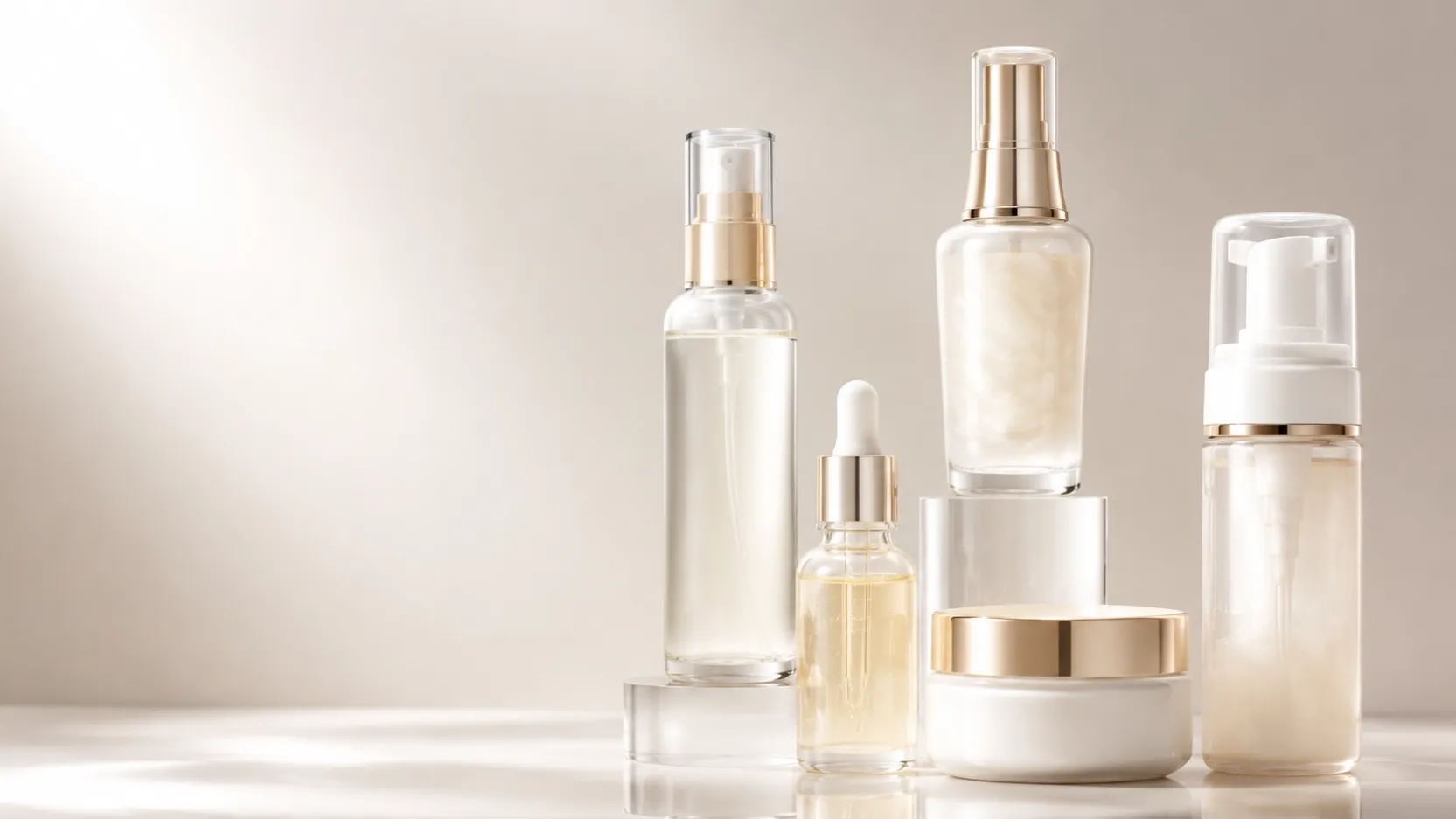
Arabic-English cosmetic labeling should be planned before the bottle and decoration method are finalized. The main challenge is not translation alone: two languages, right-to-left layout, mandatory information, importer details, directions, warnings and claim wording must fit a readable label that can still be produced consistently.
Confirm the destination country and sales channel first
Middle East markets do not use one identical cosmetic-label rule. Requirements can differ by country, product type, importer, registration route and retail channel. Before artwork starts, identify the exact destination, local importer or responsible party, online and offline sales channels, and whether the product will also be sold in another market.
Build a controlled source-copy document
Prepare one approved English source file containing the product identity, intended use, directions, warnings, ingredient list, net content, company and importer information, country of origin, batch or lot area, date or period-after-opening information where applicable, storage conditions and marketing claims. The Arabic translation should be made from this controlled version, not from scattered emails.
Plan the information hierarchy
The front panel should communicate the product name, function and net content clearly. The back or side panel can carry directions, warnings, ingredients, responsible business information and traceability details. Decorative benefit phrases must not make required information unreadable. Keep a clear difference between product identity, supported benefits and promotional language.
Design for Arabic and English together
Arabic reads right to left while English reads left to right. Treat them as two coordinated reading systems rather than squeezing a translation below each line. Check font licensing, Arabic glyph support, punctuation, numeral style, line breaks and text alignment. Print a full-size proof because small bottle labels often look readable on screen but fail at production size.
Reserve variable-data areas
Do not cover the intended coding zone with dark graphics, metallic foil or a curved edge. Reserve adequate space for batch or lot coding and any date information required by the destination. Confirm whether coding will be printed on the bottle, label, carton or more than one component, and test contrast and abrasion resistance.
Review claims before translation and printing
Claims such as repair, anti-hair-loss, medical, antibacterial, organic, natural, Halal, heat protection or quantified performance may need specific evidence or may trigger additional review. Keep cosmetic claims consistent with formula function and available substantiation. Translation must not make a claim stronger than the approved source text.
Match artwork to the packaging process
A pressure-sensitive label, shrink sleeve, screen print and carton each have different space, color and tolerance limits. Confirm the final dieline, bleed, safe area, barcode quiet zone, substrate, finish and color standard. Metallic or transparent materials can change legibility, especially for fine Arabic characters.
Use a pre-production label approval gate
Before printing, the brand, distributor, translator and manufacturer should approve the same artwork version. Verify spelling, translation, ingredient order, net content, country of origin, importer data, claim wording, barcode, coding area and component match. Save the approved PDF and production proof as controlled records.
Buyer FAQ
Can one Arabic-English label be used across every GCC or Middle East market?
Not automatically. A common design can be a useful starting point, but final text and responsible-party information should be checked for each destination and registration route.
Should Arabic be added after the packaging is selected?
No. Bilingual copy can require significantly more space. It should influence bottle size, label panel, carton use and decoration method from the start.
Who should approve the translation?
Use a qualified translator familiar with cosmetic terminology, then obtain destination-market review from the importer, responsible party or regulatory adviser. The manufacturer should check that the approved text can be printed correctly.
Can claims be translated freely for marketing impact?
No. The Arabic and English versions should communicate the same supported meaning. A translation that strengthens or medicalizes a cosmetic claim creates avoidable risk.
Prepare a market-ready label brief
Send the destination country, pack size and draft copy for project review: https://www.junchunbeauty.com/contact