Sep 19, 2026Buying Guides
Fine Hair Volume System OEM: Lift Without Stiffness or Residue
Build a fine-hair volume system with lightweight cleansing, low-residue conditioning and non-aerosol root lift, plus testing, packaging and MOQ guidance.
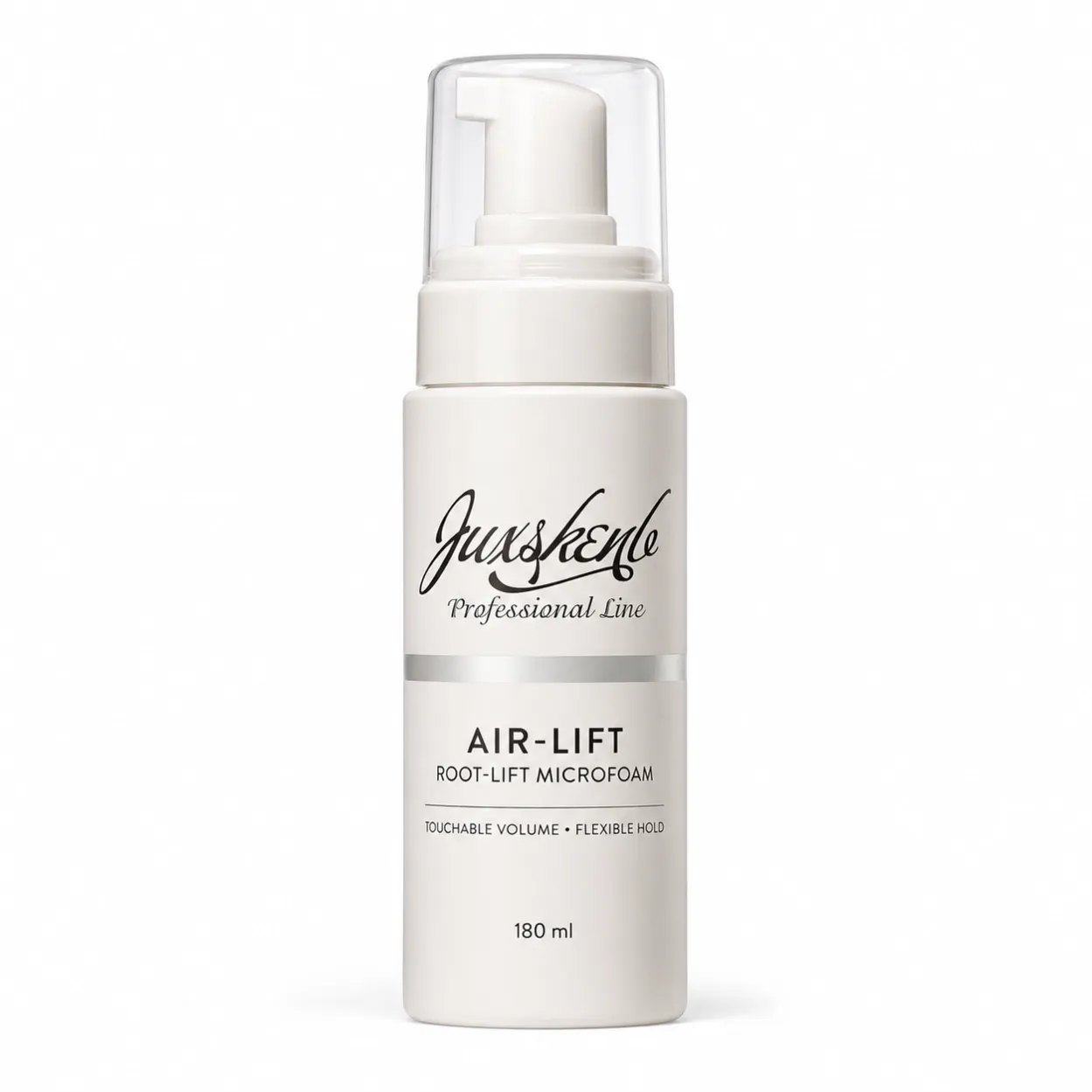
Direct answer: A fine-hair volume range should create lift without leaving the hair stiff, sticky or coated. For most brands, the most practical OEM launch is a focused system: a lightweight cleansing shampoo, a low-residue conditioner and a non-aerosol root-lift product that can be demonstrated in salons and short-form video.
Why fine-hair volume is a strong OEM opportunity in 2026
Fine and flat hair is a clear consumer problem, but many volume products create a second problem: dryness, roughness or heavy residue. That gap gives distributors and private-label brands a useful positioning route—visible lift with touchable movement.
The commercial advantage is that volume is easy to demonstrate. Buyers can show root lift, blow-dry movement and next-day feel in salon trials, creator content and before-and-after photography. It also works across the GCC, Iraq, Europe, North America and Southeast Asia.
Build the range around three different jobs
- Lightweight volumizing shampoo
The shampoo should clean the scalp and roots without making the lengths feel stripped. During sampling, compare foam speed, rinse speed, wet combing and the feel of the roots after drying. Do not judge only by viscosity or fragrance.
- Low-residue conditioner
A fine-hair conditioner should improve slip and softness while keeping the root area light. Apply it mainly through the mid-lengths and ends during consumer testing. A good result is smooth hair that still holds shape after blow-drying.
- Non-aerosol root-lift styler
A mechanical foamer or microfoam format can provide targeted application without a pressurized aerosol can. It is suitable for salon demonstrations, e-commerce and travel-friendly range planning.
Product reference: https://www.junchunbeauty.com/products/private-label-air-lift-root-lift-microfoam-180ml-non-aerosol
What should buyers test before approving samples?
- Lift: Compare root height after natural drying and blow-drying. 2) Touch: Check whether the hair stays flexible rather than crunchy. 3) Residue: Test on dark hair and inspect for flakes or visible film.
- Next-day performance: Review oiliness, collapse and brushability after 12 to 24 hours. 5) Humidity: For Iraq and GCC markets, test whether lift survives warm, humid conditions and air-conditioned environments. 6) Pack output: Confirm a consistent dose from the first use to the end of the pack.
Retail size, salon size and launch architecture
For a focused first launch, use one retail size per SKU and avoid unnecessary variants. A 250–300 ml shampoo and conditioner can sit beside a 150–180 ml root-lift product. Salon buyers may later add backbar sizes after the retail system proves repeat demand.
Selected stable formulas using in-stock bottles may start from 100 pieces per SKU. Custom formulas, colors, fragrances and packaging are quoted according to the project. Typical private-label production is 14–20 working days after specifications, artwork and materials are approved.
How to brief the manufacturer
Send the target hair type, market, channel, expected quantity, preferred fragrance, pack size and performance priority. Define whether the finish should be airy, polished or salon-strong. Also state what you do not want—for example tackiness, dryness, visible residue or an overpowering fragrance.
For a faster evaluation, request matched samples and test the full routine on fine straight hair, fine wavy hair and color-treated fine hair. This produces better decisions than approving each SKU separately.
FAQ
Can a fine-hair volume range start with only two products?
Yes. A volumizing shampoo and non-aerosol root-lift styler create the clearest two-step story. Add a lightweight conditioner when the target customer needs more detangling.
Is a non-aerosol root-lift format suitable for export?
It can simplify product handling compared with pressurized aerosol formats, but the finished pack and shipping route still need project-specific review.
Can fragrance and hold level be adjusted?
Yes, within the selected development route and formula feasibility. Fragrance, texture and performance changes may affect MOQ, testing and lead time.
What information is needed for a quotation?
Provide destination market, SKU list, quantity, size, formula route, packaging preference and launch timing.