230°C Heat-Protection Claims: What an OEM Hair-Tress Study Must Define
Brief a 230°C heat-protection study with defined hair, dose, exposure and endpoints. Separate a desired label claim from actual finished-product results.
JunChun Beauty Editorial Team · Updated 23 October 2026
Direct answer: A 230°C claim requires evidence for the identified finished product under a relevant, defined procedure. A hair-tress study should control substrate, treatment amount, actual heat exposure, comparison groups and damage endpoints; the temperature alone is not a complete test.
Define the exposure accurately
Distinguish a tool’s setting from the exposure delivered to the hair. Ask how temperature is checked and how contact, passes, timing and preparation are controlled. A hair-tress experiment is an ex vivo product-performance assessment, not a human-scalp safety study.
Select endpoints that answer the claim
Choose the endpoint that answers the proposed claim, such as breakage under a defined exposure or a suitable damage measurement. Zhou and colleagues’ 2011 paper examines cosmetic pretreatments and flat-iron damage using several measurements source. K18 also describes a specific oil test source. Both illustrate method choices; neither establishes a universal protocol or transfers a result to another finished formula.
Use controls and identifiable samples
Request an untreated or appropriate comparison group and any base comparison needed to address the question. The report should identify formula version, application procedure, repetitions and analysis. A hand-held thermal image or glossy after-photo cannot replace all of those decisions.
Keep the commercial wording within the result
Review the report before printing a temperature claim. Do not extend one studied procedure to unlimited exposure, every hair type or safe use of a hot tool on skin. A formulation change can require renewed evidence review even when the packaging name stays the same.
Request a report that can be reviewed
Request the sample identity, preparation, exposure, controls, measured outcomes and analysis in the report. Ask which substrate and repeated-use conditions were assessed. Compare the conclusion with the wording your customer will read on the bottle, and retain the technical report alongside that approved wording. This is how a purchasing team can evaluate an existing report or decide which additional question merits a new study.
Match the study to the actual service
Start with the channel: a salon blow-dry product and a dry-hair hot-tool product can require different application questions. Record the approved formula, hair preparation and amount before asking the provider to recommend a method. A supplier may already hold relevant laboratory reports for a mature formula. Review that scope first, then commission extra work only for the claim, substrate or use sequence the existing information does not address.
Read the result with its comparator
Ask which group forms the baseline and how results vary across replicates. A reduction relative to heat-exposed untreated hair answers a different question from a comparison with unheated hair or a benchmark product. Request the measured values, sample numbers and analysis that support the conclusion. Agree with the competent provider how repeatability and uncertainty will be presented. The goal is a defensible purchasing decision, not a favourable percentage without context.
Turn the report into an order specification
Record the studied formula revision, intended use and approved wording with the sample reference. Decide which proposed changes require review before a reorder: the blend, fragrance, application amount or delivery system can be relevant. For OEM buying, the benefit is continuity between the evidence, consumer directions and production order. Request that continuity with the quotation so the commercial team and the technical team are discussing the same product.
A practical buying decision
| Decision point | What to request or compare |
|---|---|
| Exposure | Define tool, delivered conditions and preparation. |
| Endpoint | Choose the damage question and appropriate method. |
| Claim | Match the public statement to the actual report. |
JunChun product and sample route
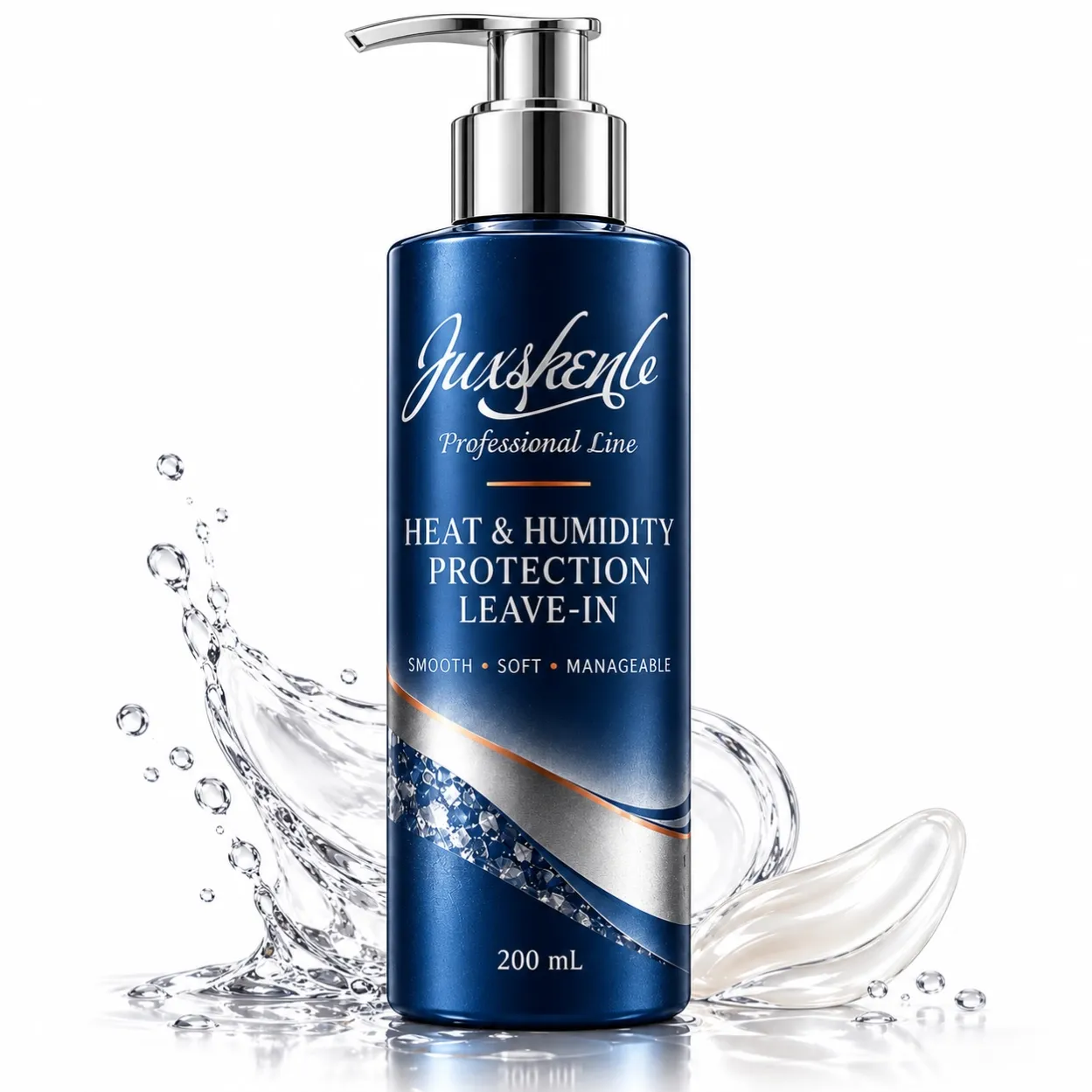
Start with JunChun’s Heat & Humidity Care Leave-In, a 200 ml pump-bottle reference for a professional leave-in project. Share the customer’s hair profile, styling sequence and preferred dry finish. JunChun can connect formula selection, sample comparison, packaging review and export-document coordination around that brief. Use the selected formula’s relevant evidence and final directions when agreeing the label.
Selected mature formulas with qualified stock packaging start from 100 pieces per SKU. Packaging changes start from 500, subject to component and process; formula changes and specialist packaging are confirmed separately. Compare the eligible current route with the requested changes at the same quantity.
Frequently asked questions
Does a prototype labelled 230°C prove that rating?
No. Request the relevant finished-product evidence.
Is this article a recommendation to style all hair at 230°C?
No. It explains a claim-assessment brief, not a universal consumer styling temperature.
What should I include in a sample enquiry?
Send your intended temperature wording, styling routine and required test endpoints, destination country and planned quantity. Ask which current samples or development options fit those requirements.
Related products and manufacturing
Request a focused sample comparison
Send your intended temperature wording, styling routine and required test endpoints, destination country and planned quantity. Ask JunChun which current sample fits the brief and what your requested changes add to the project. Send your project brief or email info@junchunbeauty.com.
Sources and scope
- Zhou et al.: cosmetic pretreatments and flat-iron thermal damage — 2011-03/04.
- K18: published hair-oil heat-test explanation — 2023-06-16; checked 2026-10-23.
Sources checked 23 October 2026. Comparisons and procurement steps are editorial recommendations; brand and ingredient examples retain their own formula and study scope. Match the selected JunChun sample to its relevant project information and reports.